Silicone-Based Fireproof Glue Can Withstand High-Temperature Baking
In the ever-evolving world of materials science, adhesives play a crucial role in binding components across industries, from construction to aerospace. Among these, silicone-based fireproof glue stands out as a remarkable innovation designed to endure extreme conditions. This type of adhesive, often formulated with polydimethylsiloxane (PDMS) and other silicone polymers, is engineered to maintain its integrity under high temperatures, making it ideal for applications involving heat exposure, such as baking ovens, industrial furnaces, and fire-prone environments. The term “fireproof” here refers to the glue’s ability to resist ignition, prevent flame spread, and retain adhesive properties even when subjected to intense heat, often ranging from 300°F (149°C) to over 2000°F (1093°C), depending on the specific product.
The demand for such robust adhesives has surged with the growth of high-tech industries. For instance, in automotive manufacturing, engines and exhaust systems operate at elevated temperatures, requiring bonds that won’t degrade. Similarly, in household applications like sealing oven doors or fireplaces, safety is paramount. Silicone-based fireproof glues are typically room-temperature vulcanizing (RTV) types, curing through moisture in the air to form a flexible, rubber-like seal. This curing process produces byproducts like acetic acid in some formulations, ensuring a strong, durable bond without the need for additional heat during application.
What sets silicone-based fireproof glue apart is its thermal stability. Unlike organic adhesives that break down at around 200°C, silicones maintain their properties over a wide range from -100°C to 250°C, with specialized variants pushing boundaries further. This resilience stems from the silicon-oxygen backbone in silicone polymers, which provides exceptional resistance to oxidation and thermal degradation. As industries push for safer, more efficient materials, understanding the capabilities of these glues becomes essential. This article delves into the composition, mechanisms, applications, and future prospects of silicone-based fireproof glue, highlighting its role in withstanding high-temperature baking and beyond.
Electronic Adhesive Glue Manufacturers And Suppliers China
Composition and Properties
At the core of silicone-based fireproof glue is a family of polymers known as silicones, which are inorganic compounds featuring alternating silicon and oxygen atoms, with organic side groups like methyl or phenyl attached to the silicon. This unique structure imparts properties that make silicones ideal for high-heat environments. The base material is often polydimethylsiloxane, a viscous liquid that, when cross-linked, forms a elastomeric solid. To enhance fireproofing, manufacturers incorporate fillers such as iron oxide, which boosts heat resistance up to 600°F in some cases, or mineral fillers like silica for added thermal stability.
Key properties include high thermal conductivity in some formulations, electrical insulation, and resistance to chemicals, UV light, and moisture. For fireproof variants, flame retardants are added to meet standards like UL94V-0, which tests for self-extinguishing behavior. These glues are typically one- or two-part systems: one-part versions cure via atmospheric moisture, while two-part systems mix a base and catalyst for faster setting. The resulting material has a Shore A hardness of 35-45, offering flexibility to accommodate thermal expansion without cracking.
In terms of heat resistance, these adhesives can withstand continuous exposure to temperatures up to 316°C in electronics applications or even 1300°C in specialized sealants for ceramics and metals. This is far superior to epoxy or acrylic adhesives, which often fail at 150-200°C. Additionally, silicone glues exhibit low shrinkage upon curing—less than 1%—and maintain elasticity, preventing bond failure under vibration or shock. Their non-corrosive nature makes them suitable for sensitive substrates like electronics or food-contact surfaces, with some variants being FDA-approved for food safety.
Fillers play a pivotal role: silica enhances mechanical strength, while ceramic or metallic oxides improve fire resistance by forming a char layer that insulates against heat. In high-end products, alkaline silicates are used for peak temperatures up to 1100°C, ideal for sealing insulation in stoves or flues. Overall, the composition ensures a balance of adhesion, flexibility, and durability, making these glues versatile for demanding applications.
Mechanism of Heat Resistance
The secret to silicone-based fireproof glue’s ability to withstand high-temperature baking lies in its molecular structure and thermal decomposition behavior. The Si-O-Si backbone is highly stable, with bond energies around 108 kcal/mol, compared to 80-90 kcal/mol for C-C bonds in organic polymers. This stability prevents chain scission at elevated temperatures, allowing the material to retain its form and function.
When exposed to heat, silicones undergo controlled degradation. At around 200°C, minimal formaldehyde is released, but the polymer cross-links further, enhancing rigidity. In oxygen-rich environments, combustion produces silica ash, a non-flammable residue that acts as a barrier, slowing heat transfer and flame propagation. This char formation is amplified in fireproof formulations with intumescent additives that expand to create an insulating layer.
Thermal cycling resistance is another key mechanism. Silicones can endure repeated heating and cooling without embrittlement, thanks to their low glass transition temperature (around -120°C). This flexibility absorbs stresses from expansion, preventing cracks in applications like oven seals or engine gaskets.
In baking scenarios, such as industrial ovens operating at 500-600°F, the glue maintains adhesion by resisting oxidation. Specialized variants with oil resistance, like those for automotive use, prevent softening or swelling from hydrocarbons at high temps. Testing shows these adhesives can handle short-term spikes up to 1500°C without losing bond strength, as seen in fire-rated sealants for construction. This combination of structural integrity and protective mechanisms ensures reliability under extreme heat.
Applications Across Industries
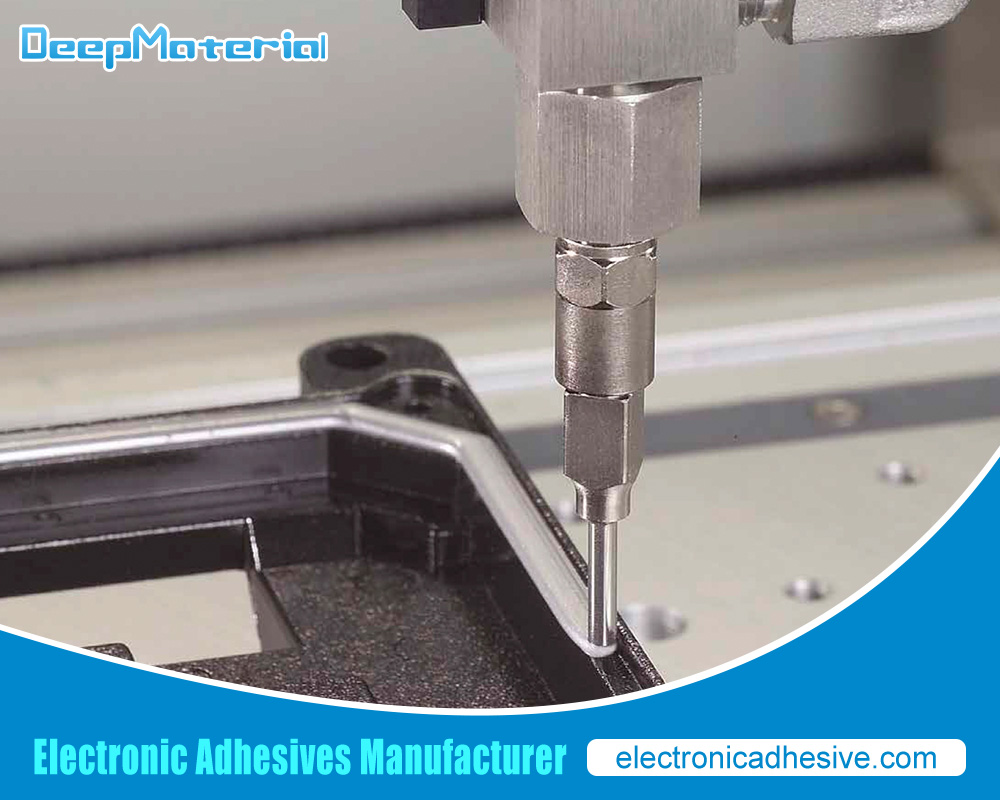
Silicone-based fireproof glue finds extensive use where high-temperature baking or exposure is routine. In the automotive sector, it’s applied in engine assemblies, exhaust systems, and gaskets, withstanding temperatures up to 650°F from combustion. Products like RTV sealants form instant gaskets, replacing traditional ones for faster assembly.
In construction, these glues seal expansion joints in fire-rated walls and floors, meeting codes for flame resistance. For example, in curtain walls, structural silicones bond glass panels, enduring weather and heat from building fires. Household applications include sealing fireplaces, stoves, and ovens, where vitcas-like sealants handle 1300°C, preventing gas leaks.
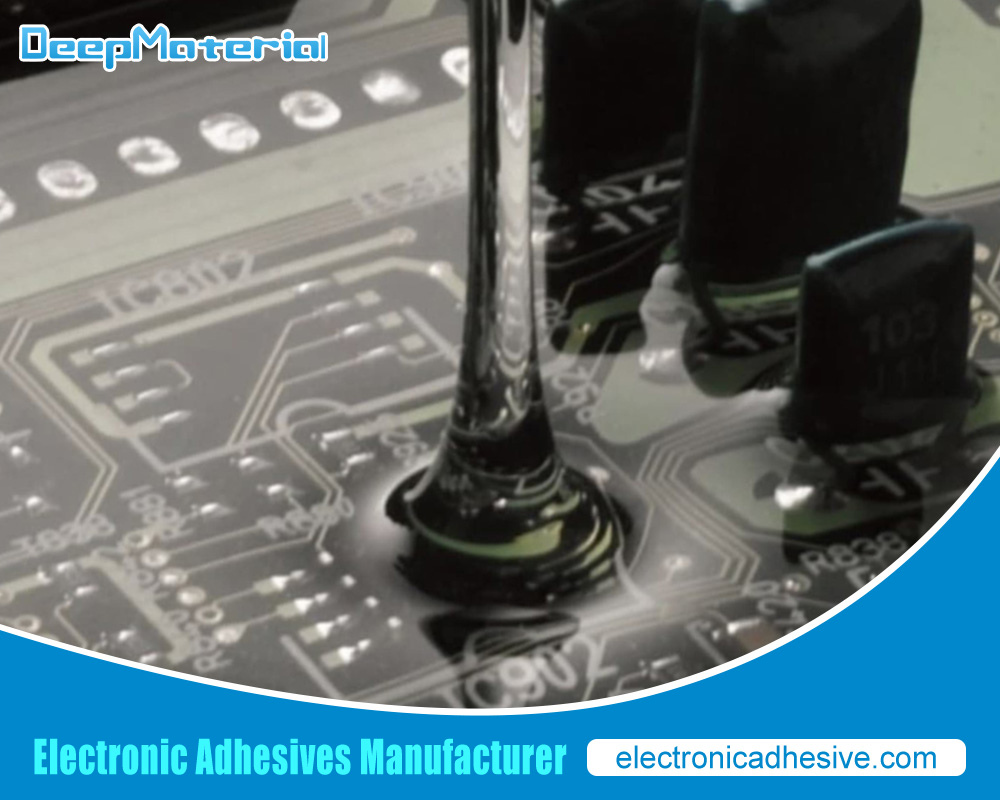
Electronics benefit from high-temp adhesives for potting components, protecting against heat in power supplies or LEDs up to 316°C. In aerospace, silicones seal cabin doors and engine parts, stable from -70°C to 220°C. Industrial baking ovens use them for door seals, ensuring energy efficiency and safety.
Food processing employs food-safe variants for equipment assembly, resistant to steam and heat in ovens. In renewable energy, like solar panels, they bond components under sun-induced heat. Marine and oil industries use oil-resistant types for seals in high-heat pumps. Versatility extends to arts, like aquarium building or DIY repairs, where pressure and heat resistance are needed.
Advantages and Comparisons
Compared to alternatives like epoxies or polyurethanes, silicone-based fireproof glues offer superior heat tolerance. Epoxies max out at 350°F, while silicones push to 600°F+ continuously. Their flexibility prevents failure in vibrating environments, unlike rigid epoxies.
Advantages include weatherproofing, with UV and moisture resistance ensuring longevity outdoors. They cure quickly without heat, reducing production time. Flame retardancy, per UL standards, adds safety in fire-prone areas.
Drawbacks include higher cost and lower shear strength than some epoxies, but for heat applications, benefits outweigh. In comparisons, silicones excel in thermal cycling, withstanding 1000+ cycles without degradation.
Manufacturing Process and Standards
Manufacturing involves mixing silicone polymers with catalysts, fillers, and retardants in controlled environments. Extrusion into cartridges follows, with quality checks for viscosity and cure time.
Standards like ASTM for adhesion and UL94 for flammability ensure compliance. Fire-rated products undergo rigorous testing for smoke development and flame spread.
Case Studies
In a Chinese factory, silicone sealants sealed oven components, withstanding 500°C baking cycles for years without failure. Aerospace firms use them in engines, reducing maintenance by 30% due to heat resistance. A Reddit user repaired a high-heat grill with food-safe silicone, enduring water and temps safely.
Future Developments
Advancements include nanotechnology for enhanced heat barriers and eco-friendly formulations with lower VOCs. Hybrid silicones combining with ceramics could push limits to 2000°C+.
Electronic Adhesive Glue Manufacturers And Suppliers China
Conclusion
Silicone-based fireproof glue revolutionizes high-temperature applications, offering unmatched durability and safety. Its ability to withstand baking and beyond ensures it’s a staple in modern industry. As technology evolves, these adhesives will continue to protect and bind in extreme conditions.
For more about silicone-based fireproof glue can withstand high-temperature baking, you can pay a visit to DeepMaterial at https://www.electronicadhesive.com/ for more info.