What is Epoxy Flame Retardant Adhesive
What is Epoxy Flame Retardant Adhesive
Epoxy flame retardant adhesive represents a specialized class of bonding materials that combine the robust adhesive properties of epoxy resins with enhanced fire resistance. In an era where safety standards are increasingly stringent, particularly in industries like aerospace, electronics, and construction, these adhesives play a crucial role in preventing fire propagation while ensuring strong, durable bonds. At its core, an epoxy flame retardant adhesive is a thermosetting polymer formulated from epoxy resins and hardeners, augmented with flame-retardant additives to inhibit combustion, reduce smoke emission, and limit flame spread.
The concept of flame retardancy in adhesives addresses a critical need: traditional epoxies, while excellent for structural integrity, can be flammable under high-heat conditions, posing risks in fire-prone environments. By incorporating flame retardants—often phosphorus-based, halogen-free compounds—these adhesives achieve certifications like UL 94 V-0, which indicates self-extinguishing properties and minimal dripping during burning. This makes them indispensable in applications where human safety and asset protection are paramount.
The development of epoxy flame retardant adhesives dates back to the mid-20th century, evolving alongside advancements in polymer chemistry. Initially driven by military and aerospace demands, these materials have now permeated consumer electronics, automotive manufacturing, and even building materials. For instance, in electronic circuit boards, they encapsulate components to prevent short circuits from igniting fires. The global market for flame-retardant adhesives is projected to grow significantly, fueled by regulations such as the European Union’s REACH and RoHS directives, which emphasize non-toxic, environmentally friendly alternatives to halogenated retardants.
Understanding epoxy flame retardant adhesives requires delving into their chemistry, properties, and applications. This article explores these facets in detail, providing a comprehensive overview for engineers, manufacturers, and researchers alike. By the end, readers will appreciate not only what these adhesives are but also why they are vital in modern engineering.
What is Epoxy Adhesive?
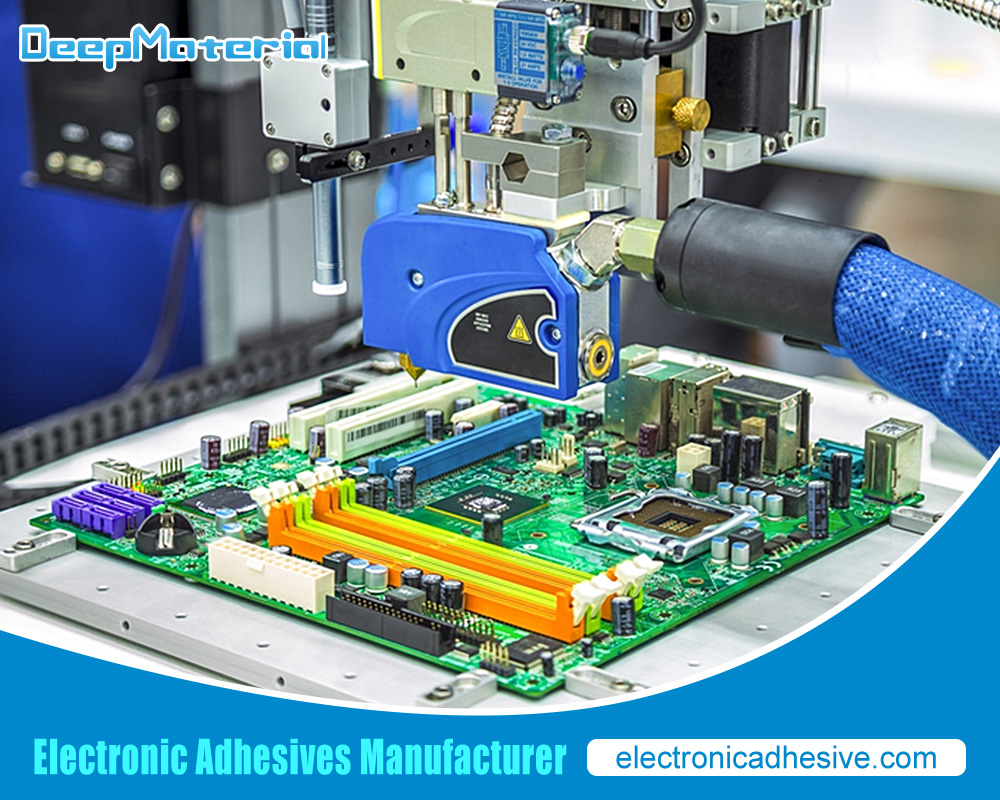
Before diving into the flame-retardant variant, it’s essential to grasp the fundamentals of epoxy adhesives. Epoxy adhesives are two-part systems consisting of a resin (typically bisphenol A diglycidyl ether) and a hardener (such as amines or anhydrides). When mixed, they undergo a chemical reaction known as curing, forming a cross-linked polymer network that provides exceptional strength and durability.
Epoxies are renowned for their versatility. They bond a wide array of substrates, including metals, plastics, ceramics, and composites, with shear strengths often exceeding 3,000 psi.
Unlike solvent-based adhesives, epoxies cure without shrinking significantly, maintaining dimensional stability. This makes them ideal for structural applications where reliability is key.
The curing process can be tailored: room-temperature curing for ease of use or heat-accelerated for faster production cycles. Epoxies also exhibit excellent chemical resistance, withstanding exposure to acids, bases, and solvents. However, standard epoxies have limitations, such as brittleness at low temperatures and susceptibility to UV degradation, which can be mitigated through formulation adjustments.
In terms of classification, epoxies come in one-component (pre-mixed and heat-activated) and two-component forms. The latter, like 3M’s Scotch-Weld DP100FR, offers a 1:1 mix ratio for simplicity. Their adhesive mechanism relies on both mechanical interlocking and chemical bonding, ensuring long-term performance even under stress.
Epoxy adhesives have revolutionized industries by replacing mechanical fasteners, reducing weight and improving aesthetics. Yet, in fire-sensitive sectors, their inherent flammability—due to organic carbon chains—necessitates enhancements, leading to the integration of flame retardants.
Flame Retardancy in Adhesives
Flame retardancy refers to the ability of a material to resist ignition, slow flame spread, and minimize heat release. In adhesives, this is achieved by interrupting the combustion triangle: fuel, oxygen, and heat. Flame retardants work through mechanisms like endothermic decomposition (absorbing heat), char formation (creating a protective barrier), or gas-phase inhibition (releasing radicals that quench flames).
Historically, halogenated compounds like brominated or chlorinated additives were common, but environmental concerns—such as persistence and toxicity—have shifted focus to halogen-free alternatives. Phosphorus-based retardants, for example, promote charring and reduce smoke toxicity, aligning with modern sustainability goals.
In epoxy systems, flame retardants can be additive (physically mixed) or reactive (chemically bonded to the resin chain). Reactive types offer superior permanence, as they don’t leach out over time, enhancing long-term fire resistance. This integration ensures the adhesive maintains its mechanical properties while gaining fire safety.
Testing for flame retardancy involves standards like ASTM E84 for flame spread, UL 94 for vertical burn, and FAA regulations for aerospace. Adhesives passing these tests, such as those with V-0 ratings, self-extinguish within seconds and produce minimal flaming drips.
The importance of flame-retardant adhesives cannot be overstated. In a fire event, they buy precious time for evacuation and limit damage. For instance, in transportation, they prevent cabin materials from fueling fires, complying with stringent safety codes.
Composition of Epoxy Flame Retardant Adhesives
The composition of epoxy flame retardant adhesives is a sophisticated blend designed for both adhesion and safety. The base is epoxy resin, a viscous liquid derived from epichlorohydrin and bisphenols, providing the backbone for cross-linking.
Hardeners, or curing agents, initiate polymerization. Common ones include polyamines for room-temperature cure or anhydrides for high-heat resistance. The ratio of resin to hardener is critical; imbalances can lead to incomplete curing and reduced performance.
Flame retardants are the key differentiator. Non-halogenated phosphorus compounds, like those in Clariant’s Exolit EP series, are popular due to their low viscosity and high efficiency.
These can constitute 10-30% of the formulation, depending on desired retardancy levels. Reactive phosphorus-containing monomers integrate directly into the polymer chain, improving compatibility and reducing migration.
Fillers and modifiers enhance properties: silica for thixotropy (non-sag behavior), aluminum hydroxide for additional endothermic cooling, and tougheners like rubber particles to combat brittleness. Pigments may be added for color, and solvents (in some formulations) aid application, though solvent-free versions are preferred for VOC compliance.
A typical product, like MG Chemicals’ 9200FR, includes epoxy resin, amine hardener, phosphorus flame retardant, and fillers, bonding difficult substrates like glass and ceramics.
Advanced formulations might incorporate nanotechnology, such as graphene oxide, to boost thermal conductivity and flame resistance synergistically.
Environmental considerations drive the use of bio-based epoxies from plant oils, combined with green retardants, to minimize ecological impact without sacrificing performance.
Properties and Performance
Epoxy flame retardant adhesives excel in a balance of mechanical, thermal, and fire-resistant properties. Mechanically, they offer high tensile and shear strength, often 2,000-4,000 psi, with good impact resistance due to toughening agents.
Thermally, they withstand temperatures up to 150-200°C continuously, with some specialized versions enduring higher. Flame retardancy is quantified by metrics like limiting oxygen index (LOI) above 30%, indicating the oxygen percentage needed for combustion—higher than ambient air’s 21%.
They also feature low smoke density and toxicity, crucial for enclosed spaces. Cure times vary: fast-setting options like DP100FR cure in minutes, enabling rapid assembly.
Electrical insulation is another strength, with dielectric strengths over 400 V/mil, making them suitable for electronics. However, performance can degrade in humid environments, necessitating moisture-resistant variants.
Comparative testing shows these adhesives outperform non-retardant epoxies in fire scenarios, with reduced heat release rates and extended ignition times.
Manufacturing Process
Manufacturing epoxy flame retardant adhesives involves precise mixing under controlled conditions. Resins and retardants are blended in reactors, often under vacuum to remove air bubbles. Hardeners are packaged separately for two-part systems.
Quality control includes viscosity checks, pot life measurements, and flame tests. Automation ensures consistency, with fillers dispersed via high-shear mixers.
Post-production, adhesives are tested for compliance with standards like ISO 9001. Scaling from lab to industrial levels requires optimizing for cost and performance.
Applications
These adhesives find use across sectors. In aerospace, they bond composite panels, meeting FAA fire standards.
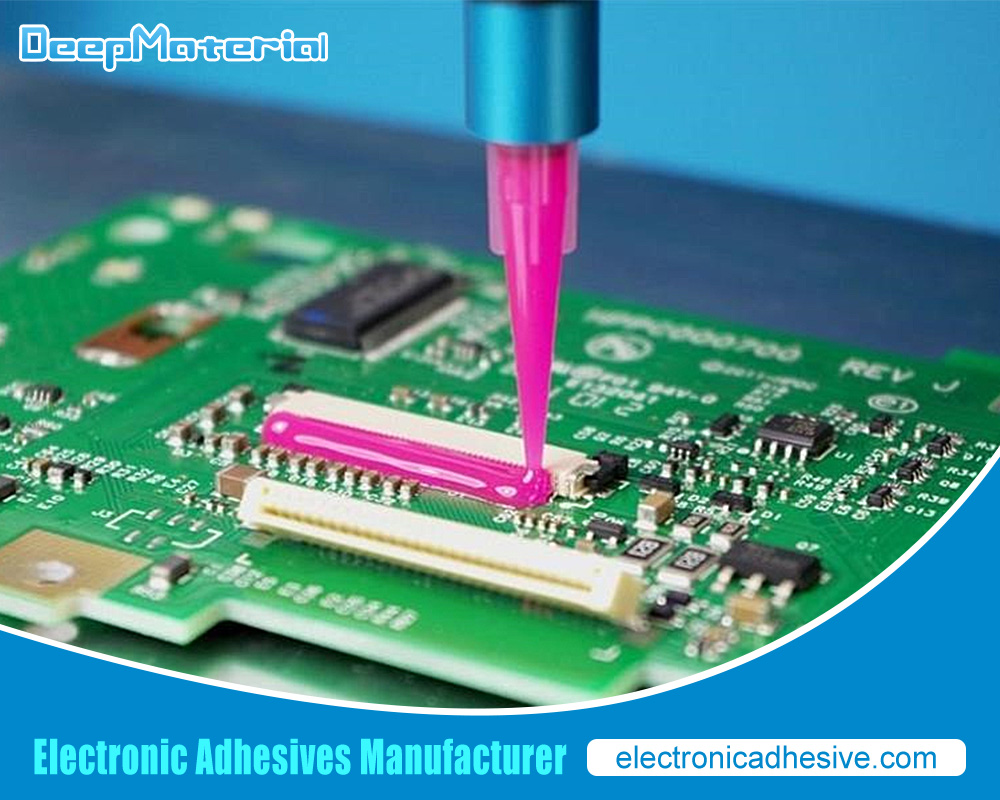
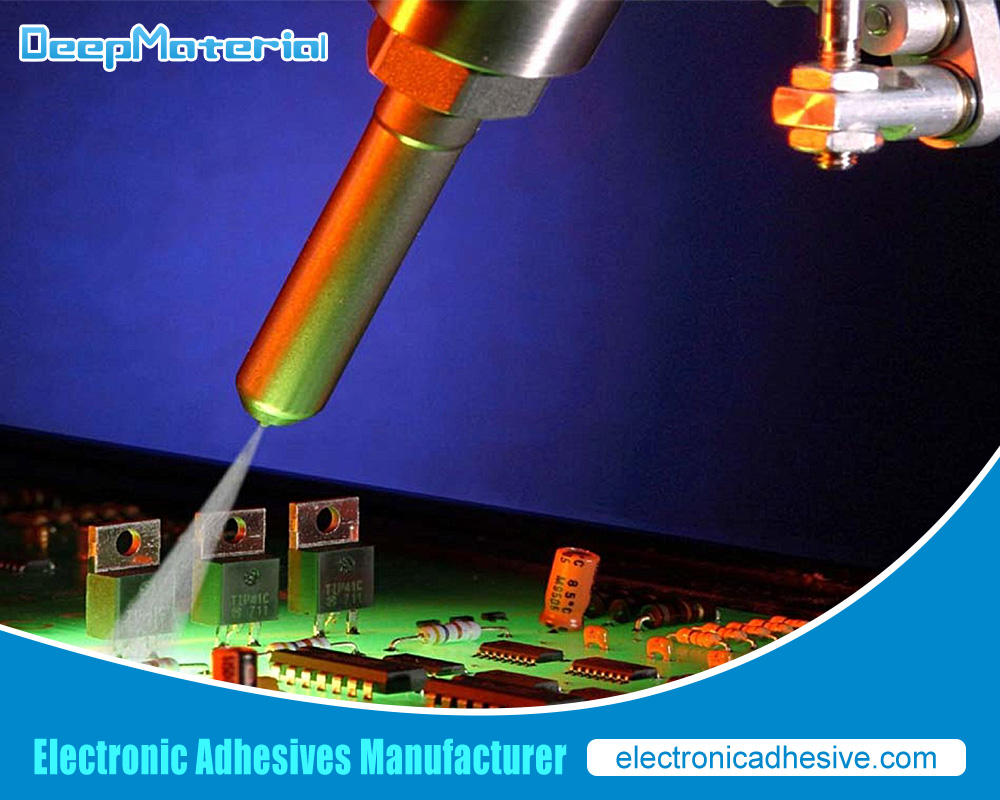
Electronics employ them for potting circuits, protecting against fire and vibration.
Construction uses them in fire-rated doors and insulation. Automotive applications include battery packs in EVs, where fire safety is critical. Marine and rail industries leverage their corrosion resistance alongside flame retardancy.
Specialized uses, like Arlon’s EFR for aramid papers, highlight niche roles in electrical insulation.
Advantages and Disadvantages
Advantages include enhanced safety, strong bonding, and versatility. They reduce weight compared to mechanical fixes and comply with regulations.
Disadvantages: higher cost due to retardants, potential for reduced flexibility, and longer cure times in some cases. Halogen-free options may require higher loadings, affecting viscosity.
Environmental and Safety Considerations
Modern formulations prioritize low-toxicity retardants, reducing environmental harm. Proper handling—using PPE—mitigates skin irritation risks. Recycling challenges exist, but bio-degradable options are emerging.
Future Trends
Advancements focus on nanotechnology for better efficiency, bio-based materials for sustainability, and smart adhesives with self-healing properties. Regulatory pressures will drive innovation in non-toxic retardants.
Conclusion
Epoxy flame retardant adhesives are pivotal in safer engineering, blending adhesion with fire resistance. As technology evolves, they will continue to safeguard lives and innovations.
For more about what is epoxy flame retardant adhesive, you can pay a visit to DeepMaterial at https://www.electronicadhesive.com/ for more info.