New Choice for Home/Industrial Fire Protection! Automatic Fire Suppression Material
New Choice for Home/Industrial Fire Protection! Automatic Fire Suppression Material
In an era where fire hazards loom large in both residential and industrial settings, the quest for effective fire protection has never been more critical. Traditional methods like sprinklers and manual extinguishers have served us well, but they often come with limitations such as water damage, delayed response, or the need for human intervention. Enter automatic fire suppression materials—a revolutionary advancement that’s reshaping how we safeguard lives, property, and operations. These materials activate autonomously upon detecting fire, deploying suppressants that extinguish flames swiftly and efficiently without requiring power, piping, or constant monitoring.
Automatic fire suppression materials encompass a range of innovative products, from condensed aerosol generators to self-activating fire balls. They represent a “new choice” because they address modern challenges: compact designs for tight spaces, eco-friendly agents that minimize environmental impact, and versatility across applications. For homes, they provide peace of mind in kitchens, garages, or electrical panels where fires can erupt unexpectedly. In industries like manufacturing, energy storage, or data centers, they protect critical infrastructure from catastrophic losses. According to industry reports, fires cause billions in damages annually, with industrial incidents alone accounting for significant economic fallout. The rise of these materials is driven by technological progress, stricter safety regulations, and a growing emphasis on sustainability.
This article explores the evolution, mechanics, applications, advantages, real-world examples, and future prospects of automatic fire suppression materials. By understanding these systems, homeowners and industrial operators can make informed decisions to enhance their fire protection strategies, potentially saving lives and reducing recovery costs.
History of Fire Suppression Systems
The journey of fire suppression systems dates back centuries, evolving from rudimentary methods to sophisticated automatic technologies. Ancient civilizations used basic techniques like buckets of water or sand to combat fires, but organized systems emerged in the 19th century. In 1818, British Captain George William Manby invented the first portable fire extinguisher, using a potassium carbonate solution propelled by compressed air. This marked a shift toward chemical-based suppression.
The late 1800s saw the advent of automatic sprinklers. In 1872, Philip W. Pratt patented the first automatic sprinkler system in Massachusetts, improved by Henry S. Parmelee who introduced glass bulb sprinklers that burst at high temperatures. By the 1880s, these systems became standard in factories, reducing fire losses dramatically. The National Fire Protection Association (NFPA), founded in 1896, played a pivotal role in standardizing fire codes, further advancing suppression technologies.
The 20th century brought gaseous agents. Halon, introduced in the 1960s, was effective for electrical fires but phased out due to ozone depletion. Replacements like FM-200 and Novec 1230 emerged in the 1990s, offering clean, non-conductive suppression. Aerosol technologies gained traction in the late 20th century, with systems like Stat-X and FirePro using potassium-based compounds to interrupt fire chains without depleting oxygen.
Post-World War II, industrial demands spurred innovations for high-risk environments, such as aircraft and military applications. The U.S. Forest Service’s “10 a.m. policy” in 1935 emphasized rapid suppression, influencing broader strategies. Today, automatic materials build on this history, incorporating smart sensors and eco-friendly designs, reflecting a continuous evolution toward proactive, efficient fire protection.
What Are Automatic Fire Suppression Materials?
Automatic fire suppression materials are self-activating substances or devices designed to detect and extinguish fires without external input. Unlike traditional extinguishers, they deploy upon exposure to heat or flames, using agents like aerosols, foams, or dry chemicals. Key types include condensed aerosol systems, fire-extinguishing balls, and pneumatic detection tubes.
Condensed aerosol systems, such as Stat-X and FirePro, use potassium-based compounds. These non-pressurized units transform a solid agent into a fine aerosol mist that floods enclosed spaces, interrupting the fire’s chemical reaction. They are compact, with zero global warming potential, making them ideal for sensitive areas.
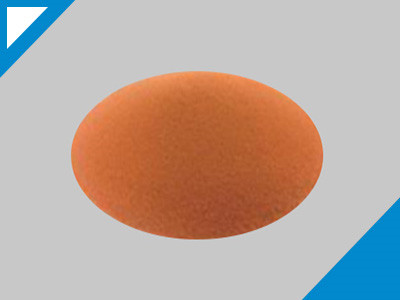
Fire-extinguishing balls, like the Elide Fire Ball, are spherical devices filled with dry powder. Weighing about 1.3 kg, they explode upon flame contact, dispersing suppressant over 1-3 cubic meters. Certified under standards like TIS.3413-2565, they handle Class A, B, C, and electrical fires.
Pneumatic heat detection tubes release agents when tubes melt at preset temperatures, suitable for confined spaces like vehicles or cabinets. These materials differ from gaseous systems (e.g., CO2) by avoiding oxygen displacement, ensuring safety in occupied spaces.
Overall, these materials prioritize ease of installation, minimal maintenance, and environmental safety, representing a shift from water-based to clean-agent technologies.
How They Work
The efficacy of automatic fire suppression materials lies in their autonomous activation and targeted suppression mechanisms. Most systems integrate detection, activation, and discharge in a seamless process.
For aerosol systems like FirePro, activation occurs via thermal sensors or electrical signals from fire alarms. The solid potassium compound heats up, transforming into an aerosol that disperses evenly, breaking the fire tetrahedron by inhibiting radical reactions without significantly reducing oxygen levels. Stat-X operates similarly, using modular generators that release ultra-fine particles, effective in total flooding or local applications.
Elide Fire Balls rely on a simpler, passive mechanism: a fuse ignites at 84°C, causing the ball to burst and scatter monoammonium phosphate powder, which coats surfaces and smothers flames within 3-10 seconds. No electricity or piping is needed, enhancing reliability in remote areas.
Pneumatic tubes, as in some Tyco systems, use pressurized tubes that rupture at heat thresholds, releasing foam or gas directly onto the fire source. These materials minimize collateral damage, unlike water sprinklers, by using non-corrosive agents.
Integration with smart tech, like UltraSense sensors in Stat-X, allows early detection, ensuring rapid response. This combination of chemistry and engineering makes them highly effective.
Applications in Home and Industry
Automatic fire suppression materials adapt seamlessly to diverse environments, bridging the gap between residential simplicity and industrial robustness.
In homes, compact systems like Elide Fire Balls are placed in kitchens, garages, or attics, activating automatically to contain incipient fires. They protect against common hazards like electrical shorts or cooking accidents, with easy installation and no maintenance for up to five years. Aerosol units, such as smaller FirePro models, safeguard electrical panels or home servers, preventing spread without water damage.
Industrial applications demand scalability. Stat-X excels in wind turbines, energy storage, and electrical cabinets, where space is limited and downtime costly. FirePro protects lithium-ion batteries, diesel generators, and power transformers, suppressing fires in high-risk sectors like oil and gas or renewables. For example, in marine engines or warehouses, these systems comply with standards like IMO, ensuring operational continuity.
Differences lie in scale and agents: homes favor affordable, user-friendly options like fire balls, while industries require certified, modular systems for larger volumes. Both benefit from non-toxic agents, but industrial setups often integrate with BMS for centralized control. Recent X discussions highlight their use in vehicles and trains, underscoring versatility.
Advantages Over Traditional Methods
Automatic fire suppression materials offer superior benefits compared to conventional sprinklers or manual extinguishers, enhancing safety and efficiency.
First, they provide 24/7 protection without human presence, activating in seconds to contain fires early. Traditional methods rely on detection delays or manual operation, risking escalation.
Environmental sustainability is key: aerosols like FirePro have zero ODP and GWP, unlike Halon or water systems that cause damage or waste. They minimize property loss by avoiding water, ideal for electronics or archives.
Cost-effectiveness shines through low maintenance—up to 15 years for some systems—and easy installation without piping. Modular designs, as in Cease Fire’s dual-agent tech, are cheaper and more adaptable than fixed sprinklers.
Safety advantages include non-toxic agents safe for occupied spaces and reduced re-ignition risk. Oxygen reduction variants prevent fires proactively. Overall, they lower insurance premiums and downtime, making them a smart upgrade.
Case Studies
Real-world deployments underscore the impact of automatic fire suppression materials. In a Samsung SDI battery room, FirePro systems suppressed a lithium-ion fire, preventing propagation and minimizing damage. Similarly, at Bloomberg’s facilities, they protected generators during a fire event, ensuring business continuity. A Lake Turkana Wind Power substation in Kenya used FirePro to extinguish a transformer fire swiftly, avoiding widespread outages.
Home cases include a Reddit discussion on “fire ball” systems activating during unattended kitchen fires, containing damage affordably. NFPA reports show sprinklers (a related auto system) reducing losses by 34-68% in residential fires.
Industrial examples: BlazeCut systems in electrical switchboards prevented major outages in factories. A U.K. study on domestic sprinklers found economic viability in apartments, saving lives in care homes. These cases highlight reliability across scales.
Future Trends
The future of automatic fire suppression technology is bright, driven by AI, sustainability, and integration. Smart systems with IoT sensors will predict fires via data analytics, enabling preemptive action. Drones equipped with suppressants may aid remote or large-scale responses.
Eco-friendly agents, like advanced aerosols without PFAs, will dominate, aligning with global regulations. Automation trends include oxygen reduction and smart extinguishers communicating with building systems.
By 2030, the market could reach $30 billion, fueled by these innovations.
Conclusion
Automatic fire suppression materials stand as a transformative choice for home and industrial protection, offering rapid, eco-friendly solutions. As fires remain a persistent threat, adopting these technologies ensures resilience. Embrace this new era for safer tomorrows.
For more about the new choice for home/industrial fire protection! automatic fire suppression material, you can pay a visit to DeepMaterial at https://www.electronicadhesive.com/ for more info.