How Fire-Resistant Adhesives Are Revolutionizing Safety in Construction and Manufacturing
How Fire-Resistant Adhesives Are Revolutionizing Safety in Construction and Manufacturing
Fire safety is a critical concern in industries like construction and manufacturing, where materials are often exposed to high-risk environments. The development of fire-resistant adhesives has emerged as a game-changer, providing robust bonding solutions that withstand extreme heat, resist flame spread, and enhance overall safety. These adhesives are not only improving the structural integrity of buildings and manufactured goods but also saving lives by mitigating fire-related risks. This article delves into how fire-resistant adhesives are revolutionizing safety in construction and manufacturing, exploring their mechanisms, applications, innovations, and future potential.
The Importance of Fire Safety in Construction and Manufacturing
Fires in construction and manufacturing settings can have catastrophic consequences, including loss of life, property damage, and operational downtime. According to the National Fire Protection Association (NFPA), in 2023, structure fires caused over $12 billion in property damage in the United States alone. Manufacturing facilities, with their complex machinery and flammable materials, and construction sites, with temporary structures and exposed materials, are particularly vulnerable. Traditional adhesives, while effective for bonding, often fail under high temperatures, compromising structural stability and contributing to fire spread.
Fire-resistant adhesives address these challenges by maintaining bond strength and structural integrity under extreme heat, slowing fire progression, and reducing toxic emissions. These adhesives are designed to meet stringent fire safety standards, such as UL 94 V-0, ASTM E84, and EN 13501-1, ensuring they perform reliably in critical applications.
Mechanisms of Fire-Resistant Adhesives
Fire-resistant adhesives achieve their protective properties through specialized chemical compositions and innovative mechanisms. Below are the primary ways they enhance safety:
- Flame-Retardant Additives
Fire-resistant adhesives often incorporate flame-retardant additives that disrupt the combustion process. Common additives include:
- Halogenated Compounds: Bromine or chlorine-based additives release flame-inhibiting gases when heated, reducing oxygen availability and slowing fire spread. For example, bromine bonds with hydrogen atoms to form heavy gases that smother flames.
- Phosphorus-Based Agents: These compounds promote char formation, creating a protective layer that insulates the underlying material from heat and oxygen.
- Nitrogen-Based Compounds: These release non-combustible gases like ammonia, diluting the oxygen concentration around the fire.
These additives ensure adhesives maintain their performance in high-temperature environments, preventing bond failure and material collapse.
- Intumescent Properties
Intumescent fire-resistant adhesives are a standout innovation. When exposed to heat (typically above 200°C), these adhesives expand significantly, forming a thick, insulating char layer. This char acts as a thermal barrier, shielding substrates from heat and flames while sealing gaps to prevent smoke and fire spread. Intumescent adhesives, often based on acrylic, silicone, or epoxy formulations, can provide fire resistance for up to 1–4 hours, depending on the product and application.
For example, in construction, intumescent adhesives are used in fire-rated doors and walls to maintain structural integrity during a fire, giving occupants more time to evacuate and firefighters more time to respond.
- Low Smoke and Toxicity
Traditional adhesives can release toxic fumes when burned, posing a significant health hazard. Modern fire-resistant adhesives are engineered to produce minimal smoke and low-toxicity emissions. Halogen-free formulations, such as those using melamine-treated ammonium polyphosphate, reduce the release of harmful gases, making them safer for both users and the environment. This is particularly important in enclosed spaces like buildings or vehicles, where smoke inhalation is a leading cause of fire-related injuries.
Applications in Construction
The construction industry is one of the primary beneficiaries of fire-resistant adhesives, where they are used in a variety of applications to enhance safety and compliance with building codes.
- Structural Bonding
Fire-resistant adhesives are used to bond structural components like steel beams, concrete panels, and composite materials. Unlike traditional mechanical fasteners, which can weaken under heat, these adhesives maintain their strength, ensuring buildings remain stable during a fire. For instance, epoxy-based fire-resistant adhesives are used in high-rise buildings to bond curtain wall systems, providing both structural support and fire protection.
- Fire-Rated Walls and Partitions
Fire-rated walls and partitions are critical for compartmentalizing fires in buildings, preventing spread between rooms or floors. Intumescent adhesives are applied in these assemblies to seal joints and gaps, ensuring compliance with fire resistance ratings (e.g., 1-hour or 2-hour fire ratings per ASTM E119). These adhesives expand under heat to fill voids, maintaining the integrity of the fire barrier.
- Doors and Windows
Fire-rated doors and windows rely on fire-resistant adhesives to bond glazing, frames, and seals. These adhesives prevent the spread of flames and smoke through openings, a common weak point in fire safety. Silicone-based fire-resistant adhesives, for example, are used in fire-rated glazing to ensure windows remain intact under high temperatures, providing critical evacuation time.
- Insulation and Cladding
Fire-resistant adhesives are used to secure insulation materials and exterior cladding, which are often exposed to fire risks. By using adhesives with flame-retardant properties, manufacturers can reduce the combustibility of these materials, enhancing overall building safety. For example, polyurethane-based fire-resistant adhesives are used to bond mineral wool insulation, which is inherently fire-resistant, creating a robust fire barrier.
Applications in Manufacturing
In manufacturing, fire-resistant adhesives are equally transformative, particularly in industries like aerospace, automotive, and electronics, where lightweight materials and fire safety are paramount.
- Aerospace
Aircraft interiors, such as cabin panels, seating, and ducting, require materials that meet stringent fire safety standards like FAR 25.853. Fire-resistant adhesives, often epoxy or phenolic-based, are used to bond lightweight composites and metals, ensuring they resist ignition and flame spread. These adhesives also reduce weight compared to mechanical fasteners, improving fuel efficiency without compromising safety.
- Automotive
The automotive industry uses fire-resistant adhesives in electric vehicles (EVs) and internal combustion engine vehicles to bond battery packs, wiring harnesses, and interior components. With EVs, the risk of battery fires necessitates adhesives that can withstand extreme heat and prevent fire propagation. Intumescent adhesives are particularly effective in sealing battery enclosures, protecting occupants and first responders.
- Electronics
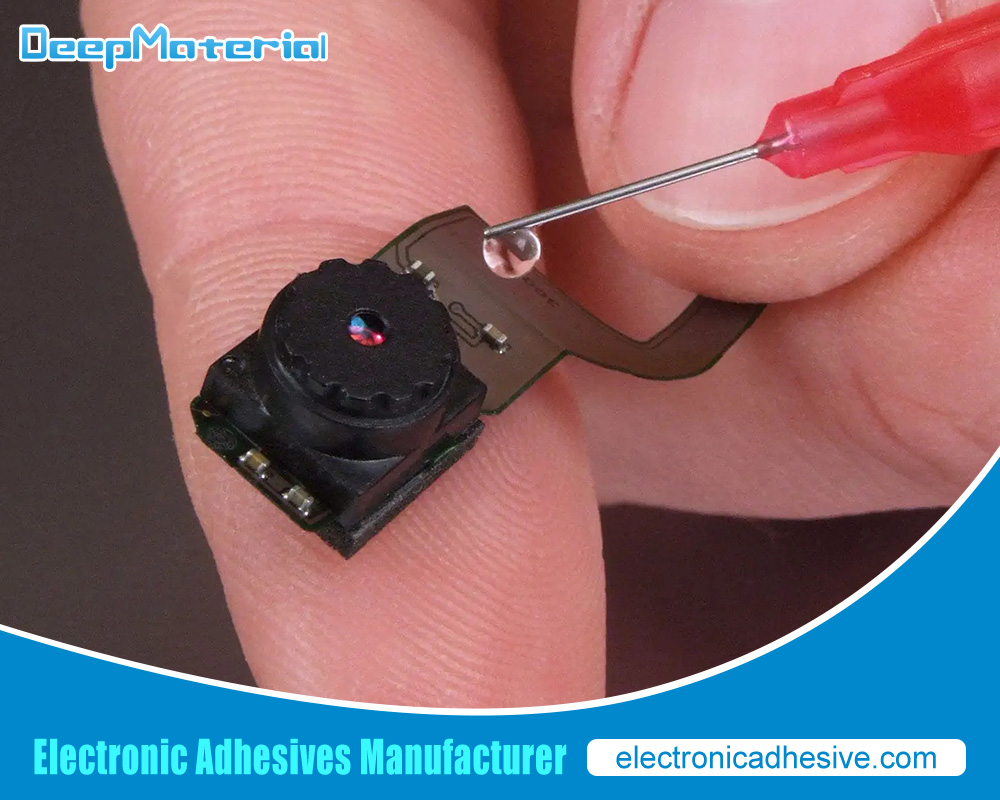
Electronics manufacturing relies on fire-resistant adhesives to encapsulate circuit boards, sensors, and connectors. These adhesives, often silicone-based, protect sensitive components from heat and flames while maintaining electrical insulation. They are critical in consumer electronics, industrial control systems, and medical devices, where fire risks could lead to system failures or safety hazards.
Innovations Driving the Revolution
Recent advancements in fire-resistant adhesive technology are pushing the boundaries of safety and performance:
- Halogen-Free Formulations
Environmental and health concerns have driven the development of halogen-free fire-resistant adhesives. These formulations, using phosphorus or nitrogen-based flame retardants, reduce toxic emissions and are compatible with a wide range of substrates, from metals to plastics. Companies like 3M and Henkel have introduced halogen-free adhesives that meet strict environmental regulations while maintaining high fire resistance.
- Nanotechnology
Nanotechnology is enhancing the performance of fire-resistant adhesives. The incorporation of nanoparticles, such as graphene or silica, improves thermal stability and mechanical strength. For example, graphene-enhanced adhesives can dissipate heat more effectively, reducing the risk of bond failure in high-temperature environments.
- Hybrid Adhesives
Hybrid adhesives, combining properties of epoxy, silicone, and polyurethane, offer versatility and superior fire resistance. These adhesives provide strong bonding, flexibility, and intumescent properties, making them ideal for complex applications like composite bonding in aerospace or sealing in construction.
- Smart Adhesives
Emerging “smart” fire-resistant adhesives can respond to environmental changes. For instance, some adhesives are designed to change viscosity or expand at specific temperatures, enhancing their fire-retardant capabilities dynamically. These innovations are particularly promising for dynamic environments like manufacturing plants or high-risk construction sites.
Benefits Beyond Fire Safety
While fire resistance is the primary focus, these adhesives offer additional benefits:
- Durability: Fire-resistant adhesives often exhibit excellent resistance to moisture, chemicals, and UV radiation, extending the lifespan of bonded materials.
- Lightweighting: In industries like aerospace and automotive, these adhesives replace heavier mechanical fasteners, reducing weight and improving efficiency.
- Aesthetic Appeal: In construction, adhesives provide seamless bonding, eliminating the need for visible fasteners and improving the aesthetic quality of structures.
- Ease of Application: Many fire-resistant adhesives are available in easy-to-apply forms, such as tapes, films, or liquid formulations, streamlining manufacturing and construction processes.
Challenges and Considerations
Despite their advantages, fire-resistant adhesives face some challenges:
- Cost: High-performance fire-resistant adhesives, particularly those with intumescent or nanotechnology enhancements, can be more expensive than traditional adhesives, posing a barrier for widespread adoption in cost-sensitive projects.
- Compatibility: Ensuring compatibility with diverse substrates (e.g., composites, metals, or wood) requires careful formulation, as some adhesives may not bond effectively with certain materials.
- Regulatory Compliance: Meeting global fire safety standards, which vary by region, can be complex. Manufacturers must ensure their adhesives comply with local regulations, such as NFPA in the U.S. or EN standards in Europe.
The Future of Fire-Resistant Adhesives
The future of fire-resistant adhesives is bright, with ongoing research and development poised to address current limitations and expand their applications. Key trends include:
- Sustainability: The push for eco-friendly materials is driving the development of bio-based fire-resistant adhesives derived from renewable sources like soy or lignin. These adhesives aim to combine fire safety with reduced environmental impact.
- Integration with Smart Materials: Combining fire-resistant adhesives with smart materials, such as self-healing polymers or temperature-responsive coatings, could create multifunctional systems that enhance safety and durability.
- Advanced Testing and Standards: As fire risks evolve, particularly with the rise of EVs and high-density urban construction, new testing protocols and standards will ensure adhesives meet emerging safety requirements.
- Mass Adoption: As production scales and costs decrease, fire-resistant adhesives are likely to become standard in more applications, from residential construction to consumer goods manufacturing.
Conclusion
Fire-resistant adhesives are revolutionizing safety in construction and manufacturing by providing robust, reliable solutions that withstand extreme conditions while meeting stringent regulatory requirements. Through flame-retardant additives, intumescent properties, and low-toxicity formulations, these adhesives are enhancing the fire resistance of buildings, vehicles, aircraft, and electronics. Innovations like halogen-free formulations, nanotechnology, and hybrid adhesives are pushing the boundaries of what’s possible, while their benefits—durability, lightweighting, and ease of application—extend beyond fire safety. As research continues to address challenges like cost and compatibility, fire-resistant adhesives will play an increasingly vital role in creating safer, more resilient environments. In a world where fire risks remain a constant threat, these adhesives are not just a technological advancement—they’re a lifeline.
For more about choosing the Top Industrial Electronic Adhesives Suppliers, you can pay a visit to DeepMaterial at https://www.electronicadhesive.com/ for more info.