Flame Retardant Adhesive for Circuit Boards: Enhancing Safety in Electronics
Flame Retardant Adhesive for Circuit Boards: Enhancing Safety in Electronics
In the fast-evolving electronics industry, where devices are increasingly compact and complex, ensuring safety and reliability is paramount. Circuit boards, the backbone of electronic devices, are susceptible to fire risks due to high operating temperatures, electrical faults, or external heat sources. Flame-retardant adhesives have emerged as critical components in circuit board assembly, offering both strong bonding and enhanced fire safety. These specialized adhesives are designed to resist ignition, suppress flame spread, and minimize toxic smoke emissions, protecting both the device and its users.
Flame-retardant adhesives are formulated with additives that inhibit combustion, making them essential for meeting stringent safety standards in industries like consumer electronics, automotive, aerospace, and telecommunications. As demand for smaller, high-performance electronics grows, so does the need for adhesives that balance fire resistance with mechanical and thermal properties. This article explores the composition, functionality, applications, benefits, and challenges of flame-retardant adhesives for circuit boards. By examining their role in modern electronics and future innovations, we highlight how these adhesives are shaping safer, more reliable technology for a connected world.
What is Flame Retardant Adhesive for Circuit Boards?
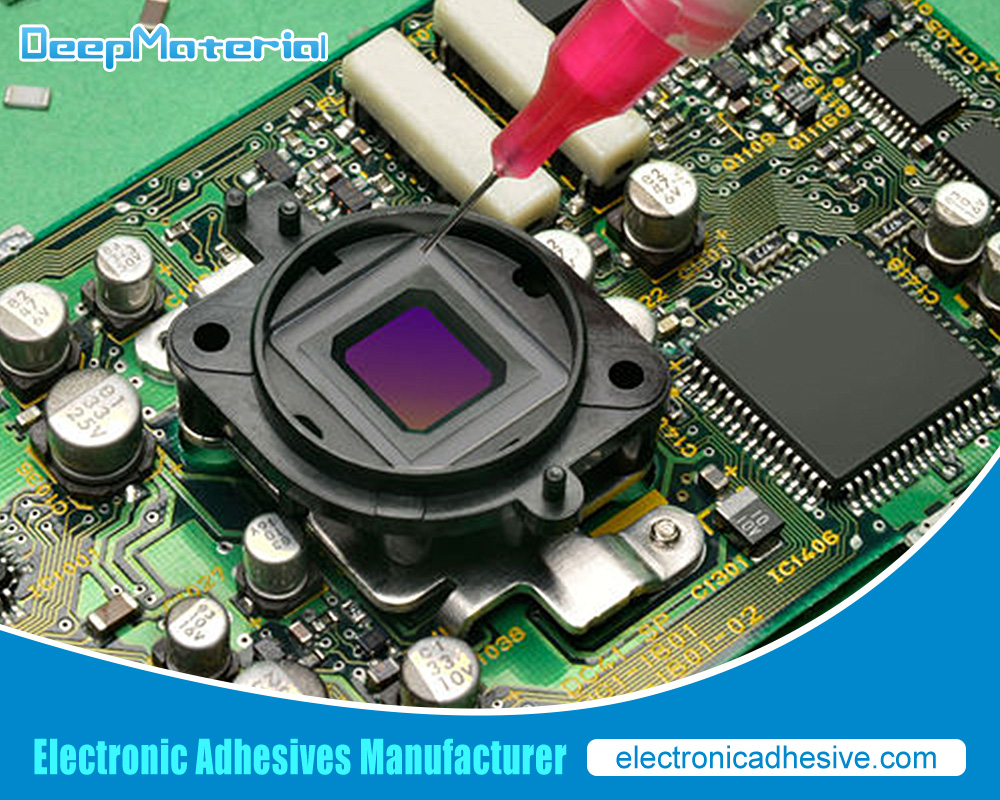
Flame-retardant adhesives for circuit boards are specialized bonding agents engineered to secure components, insulate circuits, and resist combustion in high-risk environments. Unlike standard adhesives, these formulations incorporate flame-retardant additives, such as halogenated compounds, phosphorus-based chemicals, or inorganic fillers like aluminum hydroxide, to inhibit ignition and flame propagation. Common base materials include epoxy, silicone, acrylic, or polyurethane, chosen for their adhesion strength, thermal stability, and compatibility with circuit board substrates like FR-4 (fiberglass-reinforced epoxy).
The primary function of these adhesives is to bond components—such as capacitors, resistors, and integrated circuits—to the circuit board while providing fire resistance. They achieve this through chemical mechanisms that either release non-combustible gases, form a protective char layer, or absorb heat to delay ignition. For example, phosphorus-based adhesives decompose under heat to form a char that insulates the board, while halogenated adhesives release gases that disrupt the combustion process.
These adhesives are designed to meet rigorous industry standards, such as UL 94 V-0, which requires materials to self-extinguish within seconds of flame exposure. They also maintain critical properties like dielectric strength, thermal conductivity, and resistance to environmental factors (e.g., humidity, vibration). Manufacturers like Henkel, 3M, and Dow produce flame-retardant adhesives tailored for electronics, ensuring compatibility with surface-mount technology (SMT), through-hole assembly, and flexible printed circuits (FPCs). By combining adhesion with fire safety, these adhesives are indispensable in modern circuit board manufacturing.
How Flame Retardant Adhesives Work
The functionality of flame-retardant adhesives hinges on their ability to inhibit combustion through chemical and physical mechanisms. When exposed to heat or flame, these adhesives activate flame-retardant additives to suppress fire spread and protect the circuit board. The mechanisms vary depending on the adhesive’s composition but generally involve three processes: gas-phase inhibition, char formation, and endothermic cooling. In gas-phase inhibition, halogenated or phosphorus-based additives release non-combustible gases (e.g., nitrogen or carbon dioxide) when heated. These gases dilute the oxygen concentration around the flame, disrupting the combustion cycle. For instance, brominated flame retardants, commonly used in electronics, release bromine radicals that interfere with the chemical reactions sustaining a fire.
Char-forming adhesives, often based on phosphorus or intumescent compounds, create a protective carbonaceous layer when exposed to heat. This char acts as a thermal barrier, insulating the circuit board and preventing heat transfer to underlying components. For example, an epoxy adhesive with ammonium polyphosphate can expand slightly to form a char, shielding sensitive electronics from temperatures exceeding 200°C. Endothermic cooling involves additives like aluminum hydroxide or magnesium hydroxide, which absorb heat through decomposition, lowering the temperature of the surrounding material. This delays ignition and slows fire spread, protecting the circuit board’s integrity.
These mechanisms ensure compliance with fire safety standards like UL 94 V-0, which tests for vertical flame resistance, and IPC-4101, which specifies material requirements for circuit boards. The adhesives also maintain essential properties, such as low dielectric constant to prevent electrical interference and high thermal conductivity to dissipate heat from components. Their performance is critical in high-density circuit boards, where overheating is a common risk. For example, in a 2023 study, a flame-retardant epoxy adhesive applied to a smartphone motherboard withstood 30 seconds of direct flame exposure, self-extinguishing without spreading fire to adjacent components.
Applications of Flame Retardant Adhesives in Circuit Boards
Flame-retardant adhesives are integral to circuit board manufacturing across multiple industries, ensuring safety and reliability in diverse applications. Their versatility allows them to be used in various assembly processes, from bonding components to encapsulating circuits. Consumer Electronics: In smartphones, laptops, and wearable devices, flame-retardant adhesives secure surface-mount components and protect against short circuits or overheating. For instance, silicone-based adhesives are used to bond heat sinks in gaming consoles, dissipating heat while resisting ignition. In a 2024 Apple iPhone assembly, flame-retardant epoxy ensured compliance with UL 94 V-0, enhancing device safety without compromising compactness.
Automotive Industry: Modern vehicles rely on electronic control units (ECUs) for functions like engine management and autonomous driving. Flame-retardant adhesives bond components in ECUs, protecting them from high under-hood temperatures and potential electrical fires. Polyurethane adhesives, for example, are used in electric vehicle (EV) battery management systems to secure circuit boards while meeting ISO 26262 safety standards. A Tesla Model Y ECU, for instance, uses flame-retardant adhesives to ensure reliability in high-vibration, high-temperature environments. Aerospace and Defense: In aerospace, where reliability is critical, flame-retardant adhesives are used in avionics systems, securing circuit boards in flight control units and radar systems. These adhesives must withstand extreme conditions, including temperature fluctuations and vibration. For example, a 2023 Boeing 737 project incorporated epoxy-based flame-retardant adhesives in its navigation systems, meeting FAA fire safety requirements. Telecommunications: 5G infrastructure, including base stations and routers, relies on flame-retardant adhesives to bond high-frequency circuit boards. These adhesives ensure thermal stability and fire resistance in densely packed electronics. Nokia’s 5G equipment, for instance, uses acrylic-based adhesives to secure components, reducing fire risks in outdoor installations.
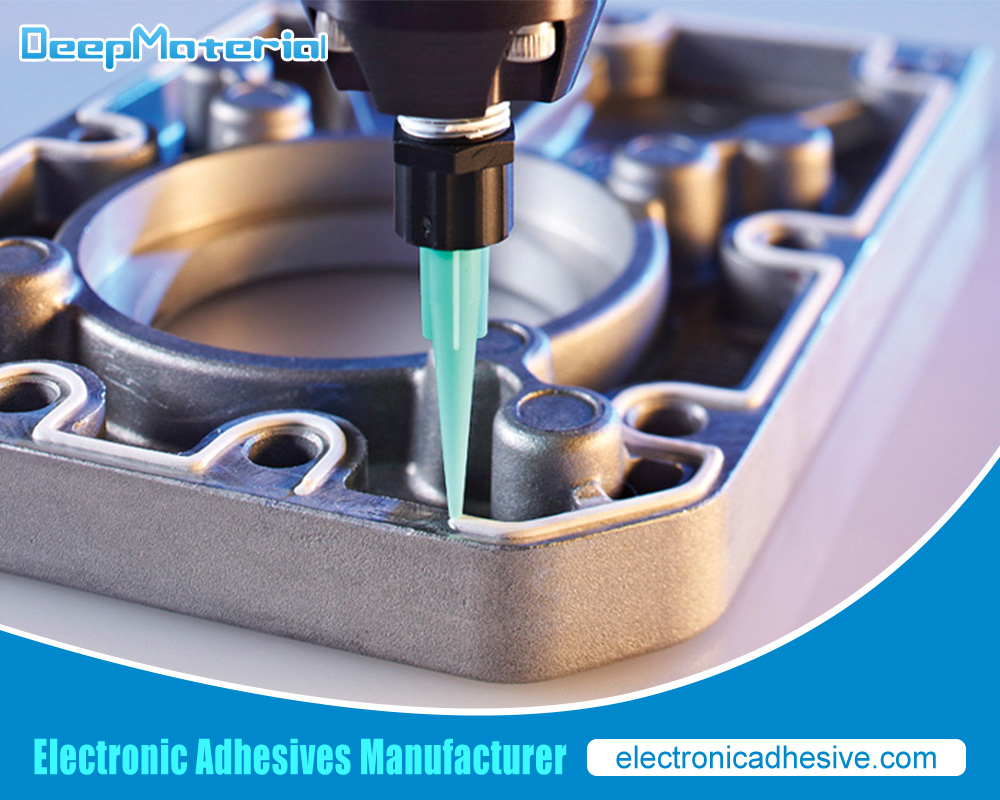
Medical Devices: In medical electronics, such as MRI machines or wearable monitors, flame-retardant adhesives ensure safety in devices operating near patients. Silicone adhesives, known for flexibility and biocompatibility, are often used in flexible circuit boards for wearables, meeting IEC 60601 standards. The adhesives are applied in various forms—liquid, film, or paste—using techniques like dispensing, screen printing, or lamination. They are compatible with rigid, flexible, and multilayer circuit boards, making them suitable for advanced manufacturing processes like chip-on-board (COB) and flip-chip assembly. Their ability to protect against fire while maintaining electrical and mechanical performance is critical in high-stakes applications.
Benefits of Flame Retardant Adhesives
Flame-retardant adhesives offer significant advantages in circuit board manufacturing, enhancing safety, performance, and reliability. Their primary benefit is fire protection, as they prevent ignition and limit flame spread, reducing the risk of catastrophic failures in electronic devices. By meeting standards like UL 94 V-0, these adhesives ensure compliance with global safety regulations, protecting manufacturers from liability and end-users from harm. Their versatility is another key advantage. Flame-retardant adhesives bond diverse substrates—FR-4, ceramics, metals, and flexible polymers—making them suitable for various circuit board designs. They also maintain critical properties, such as high dielectric strength to prevent electrical shorts and thermal conductivity to manage heat dissipation. For example, a silicone adhesive in a server circuit board can dissipate heat from high-power processors while resisting combustion.
These adhesives enhance device reliability by protecting against environmental stressors like humidity, vibration, and thermal cycling. In automotive applications, polyurethane adhesives withstand temperatures from -40°C to 125°C, ensuring long-term performance. Their flexibility also supports the trend toward miniaturization, as they can be applied in thin layers without compromising strength or fire resistance. Environmental considerations are increasingly important, and many flame-retardant adhesives are formulated with low volatile organic compounds (VOCs) or halogen-free additives to reduce toxicity. This aligns with regulations like RoHS (Restriction of Hazardous Substances) and REACH, promoting sustainability in electronics manufacturing. Cost-effectiveness is another benefit. By combining bonding and fire protection in a single material, these adhesives eliminate the need for separate flame-retardant coatings, reducing production costs and assembly time. Their ease of application—via automated dispensing or manual processes—further streamlines manufacturing.
Challenges and LimitationsDespite their advantages, flame-retardant adhesives face several challenges. One major limitation is cost, as flame-retardant additives like phosphorus or inorganic fillers increase production expenses compared to standard adhesives. This can be a barrier for low-cost consumer electronics, where margins are tight. Another challenge is balancing fire resistance with other properties. For instance, adding flame-retardant additives can reduce adhesion strength or flexibility, affecting performance in high-vibration environments like automotive or aerospace applications. Manufacturers must carefully formulate adhesives to meet both fire safety and mechanical requirements. Environmental and health concerns surround certain flame-retardant additives, particularly halogenated compounds like brominated flame retardants (BFRs). While effective, BFRs can release toxic gases during combustion, prompting a shift toward halogen-free alternatives. However, these alternatives may be less effective or more expensive, complicating adoption.
Application challenges also arise. Flame-retardant adhesives often require precise curing conditions—specific temperatures, humidity, or UV exposure—to achieve optimal performance. Inconsistent application can lead to weak bonds or reduced fire resistance. For example, improper curing of an epoxy adhesive may result in incomplete char formation, compromising safety. Regulatory compliance is another hurdle. Adhesives must meet stringent standards like UL 94, IPC, or IEC, which vary by region and industry. Navigating these requirements demands extensive testing, increasing development costs and time. Additionally, long-term durability under environmental stressors like moisture or UV exposure remains a concern, as some adhesives may degrade over time.
Innovations and Future Trends
The future of flame-retardant adhesives for circuit boards is bright, driven by innovations in material science and regulatory pressures. Halogen-free formulations are gaining traction, with phosphorus-based and bio-based additives offering safer, eco-friendly alternatives. For example, research in 2024 demonstrated a bio-derived epoxy adhesive with comparable fire resistance to BFR-based options, aligning with RoHS and REACH standards. Nanotechnology is enhancing adhesive performance. Nanoparticles, such as graphene or silica, improve thermal conductivity and char formation, allowing thinner adhesive layers to achieve higher fire resistance. This supports the trend toward smaller, high-density circuit boards in 5G devices and IoT applications. Smart adhesives with integrated sensors are emerging, enabling real-time monitoring of temperature or electrical faults. These could preemptively detect fire risks, enhancing safety in critical applications like medical devices or aerospace systems. The rise of flexible and wearable electronics is driving demand for flexible, flame-retardant adhesives. Silicone-based formulations with stretchable properties are being developed for foldable smartphones and medical wearables, maintaining fire resistance without sacrificing elasticity. As global electronics production grows—projected to reach $3 trillion by 2030—stricter fire safety regulations in regions like the EU and Asia-Pacific will boost demand for advanced adhesives. Integration with automated manufacturing, such as robotic dispensing and AI-driven quality control, will further streamline adoption.
Conclusion
Flame-retardant adhesives for circuit boards are revolutionizing electronics by combining robust bonding with critical fire safety. Their ability to resist ignition, suppress flames, and protect components ensures reliability in consumer electronics, automotive, aerospace, and medical applications. By meeting stringent standards like UL 94 V-0, these adhesives safeguard lives and property while supporting the trend toward compact, high-performance devices. Despite challenges like cost, environmental concerns, and application complexities, innovations in halogen-free formulations, nanotechnology, and smart materials promise to overcome these hurdles. As the electronics industry grows and safety regulations tighten, flame-retardant adhesives will play a pivotal role in creating safer, more reliable technology. Manufacturers and engineers must embrace these advancements to meet evolving demands, ensuring a future where electronic devices are both cutting-edge and secure, protecting users in an increasingly connected world.
For more about flame retardant adhesive for circuit boards: enhancing safety in electronics, you can pay a visit to DeepMaterial at https://www.electronicadhesive.com/ for more info.