Fireproof Glue vs Regular Glue: 3 Core Differences to Ensure You Never Buy the Wrong One Again
Fireproof Glue vs Regular Glue: 3 Core Differences to Ensure You Never Buy the Wrong One Again
In the world of adhesives, the choice between fireproof glue and regular glue can mean the difference between a safe, durable project and a potential hazard. Fireproof glues, also known as heat-resistant or flame-retardant adhesives, are engineered to withstand extreme temperatures and inhibit the spread of fire, making them essential in high-risk environments. Regular glues, on the other hand, are everyday adhesives designed for general bonding tasks, offering versatility and affordability but lacking the specialized properties needed for heat exposure. This distinction is crucial as global safety regulations tighten, with industries like construction and automotive increasingly mandating fire-rated materials to prevent disasters.
Understanding these glues starts with their basic definitions. Fireproof glues incorporate additives that allow them to maintain integrity under heat, often expanding (intumescent) to seal gaps and block flames. They come in forms like silicones, epoxies, and polyurethanes, tailored for temperatures from 392°F to over 2000°F. Regular glues, such as PVA (polyvinyl acetate) for woodworking or cyanoacrylates (super glues), are formulated for room-temperature applications, bonding materials like wood, paper, or plastics with ease but degrading quickly when exposed to heat.
Why does this comparison matter? Misusing regular glue in a high-heat scenario, like sealing an oven or fireplace, could lead to bond failure, toxic fumes, or even fire acceleration. Conversely, overpaying for fireproof glue in a simple craft project is unnecessary. With the adhesive market projected to grow to $85 billion by 2030, driven by safety demands, consumers must navigate these options wisely. This article delves into three core differences: temperature resistance, composition and flame retardancy, and applications with safety implications. By the end, you’ll know exactly which glue to choose, ensuring you never buy the wrong one again.
Core Difference 1: Temperature Resistance and Heat Tolerance
The most striking difference between fireproof and regular glue lies in their ability to handle heat. Fireproof glues are designed to endure extreme temperatures without losing adhesion, melting, or combusting, making them indispensable in environments where heat is a constant threat. For instance, specialized formulations can withstand ranges from -40°F to over 392°F continuously, with some epoxies resisting peaks up to 2000°F. This resilience comes from their molecular structure, which prevents thermal degradation—bonds remain stable even as surrounding materials expand or contract.
In contrast, regular glues falter under moderate heat. Common types like hot melt adhesives soften at around 250°F, while PVA glues can degrade at 150-200°F, leading to weakened bonds or complete failure. This makes them unsuitable for anything beyond ambient conditions; exposure to a hairdryer or sunlight can sometimes compromise them. The gap in performance is evident in testing: fireproof glues undergo rigorous evaluations like ASTM E84 for flame spread, achieving Class A ratings, whereas regular glues rarely meet such standards.
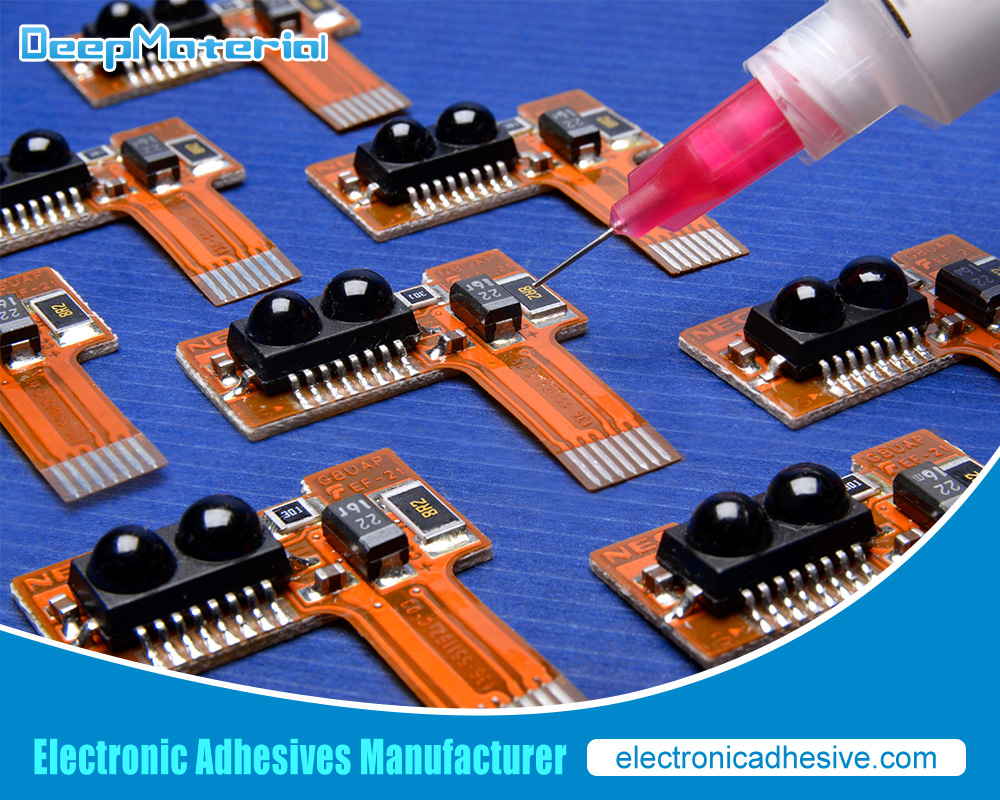
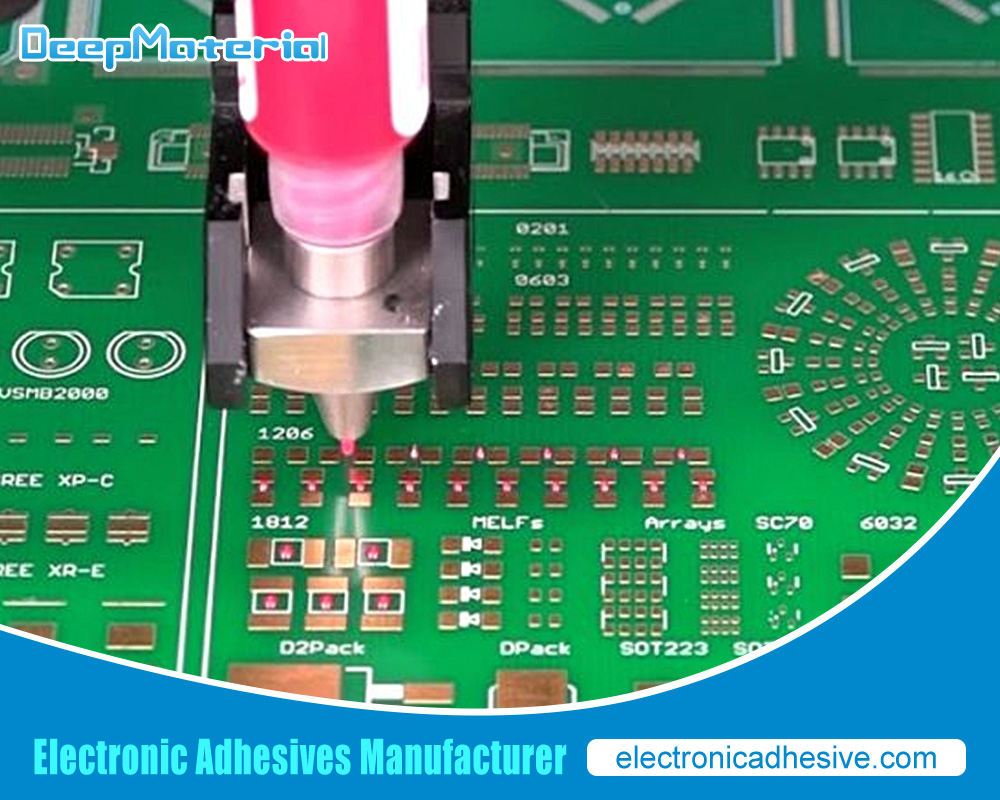
Consider real-world scenarios. In automotive repairs, fireproof glues like silicone-based sealants bond exhaust systems, enduring engine heat without cracking. Regular glues, if used here, might volatilize, releasing harmful vapors or causing leaks. Similarly, in electronics, heat-resistant epoxies protect circuit boards from soldering temperatures up to 500°F, while regular cyanoacrylates would melt, short-circuiting components.
This difference extends to thermal cycling—repeated heating and cooling. Fireproof glues maintain flexibility, absorbing stress without brittleness, thanks to additives that enhance elasticity. Regular glues, however, often become rigid and prone to cracking over time, especially in fluctuating environments like outdoor furniture exposed to weather changes.
Cost implications arise here too. Fireproof options are pricier due to their advanced engineering—expect to pay 2-5 times more per unit—but they offer longevity, reducing replacement needs. For DIY enthusiasts, this means assessing project risks: a simple paper craft calls for regular glue at $5 a bottle, but oven door repairs demand fireproof variants at $15-30.
Ultimately, temperature resistance defines usability. Ignoring this could lead to failures; for example, using regular glue in a dryer vent might cause detachment during operation, posing fire risks. Always check labels for max temperature ratings to match your needs precisely.
Core Difference 2: Composition and Flame Retardant Properties
Delving deeper, the compositions of fireproof and regular glues reveal why one combats fire while the other might fuel it. Fireproof glues integrate flame-retardant additives that actively suppress combustion, such as halogenated compounds, phosphorus-based agents, or intumescent materials that swell to form insulating char layers. These include organic char-formers that reduce heat and smoke, protecting underlying substrates. Common bases are silicones for flexibility, epoxies for strength, or polyurethanes for versatility, often with mineral fillers like aluminum hydroxide to absorb heat.
Regular glues lack these safeguards. They rely on basic polymers: PVA for water-based wood glues, acrylics for crafts, or hot melts from ethylene-vinyl acetate (EVA). Without retardants, they can ignite easily, contributing to flame spread rather than hindering it. For instance, super glues (cyanoacrylates) are highly flammable in liquid form, and once cured, they degrade into toxic fumes under heat.
Flame retardancy is quantified through standards like UL94, where fireproof glues achieve V-0 ratings—self-extinguishing within 10 seconds without dripping. Intumescent types expand up to 200 times their size, creating barriers against fire penetration. Regular glues seldom pass even basic flammability tests, as seen in bans on extremely flammable contact adhesives under 16 CFR Part 1302.
Environmental and health aspects differ too. Modern fireproof glues minimize VOCs and halogens to reduce toxicity, aligning with regulations like REACH. However, some older formulations raise concerns over persistent pollutants. Regular glues are generally safer for indoor use but can emit formaldehyde or other irritants during application.
In terms of bond strength, fireproof glues often provide superior shear and peel resistance due to their robust matrices, though they may require longer curing times. Regular glues excel in quick-set scenarios, like hot glues bonding in seconds, but lack durability in adverse conditions.
This compositional gap influences shelf life and storage: fireproof variants resist degradation better, lasting years, while regular ones may dry out or separate. For professionals, understanding these elements ensures compliance; for hobbyists, it prevents mishaps like using flammable glue near heat sources.
Core Difference 3: Applications and Safety Implications
Applications highlight the practical divide, with safety at the forefront. Fireproof glues shine in high-stakes sectors: aerospace for bonding turbine parts under 1000°F, automotive for engine compartments, and construction for fire doors, windows, and insulation. They seal rock wool, glass fiber, or plasterboard, meeting standards like EN-45545 for rail or ECE R118 for buses. In electronics, they protect against overheating, as in power tools or appliances.
Regular glues dominate low-risk tasks: woodworking, crafts, packaging, and labeling. They’re ideal for bookbinding, carton sealing, or DIY decor, where heat isn’t a factor. Using them in fire-prone areas, however, invites danger—regular glue in a fire-rated assembly could void certifications, leading to rapid flame spread.
Safety implications are profound. Fireproof glues reduce risks by limiting smoke and toxic emissions, crucial in enclosed spaces. They comply with NFPA Class A ratings, enhancing overall fire safety. Misapplying regular glue, like in vents or near stoves, might cause ignition or structural failure during fires.
In industrial settings, fireproof glues prevent hazards in oil drilling or locomotives. For homes, they secure fireplaces or ovens safely. Regular glues suffice for art or repairs but require ventilation to avoid fumes.
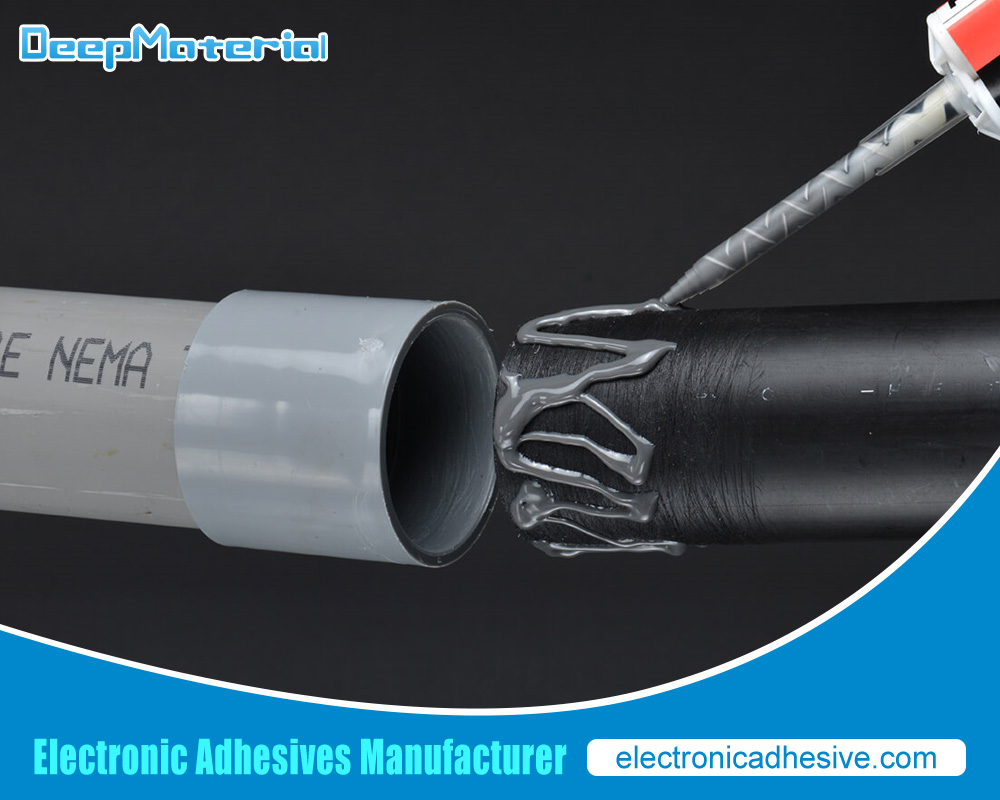
Versatility varies: fireproof types bond diverse materials like metals and ceramics, while regular ones are substrate-specific. Application methods differ—fireproof often needs caulking guns, regular uses squeeze bottles.
Ultimately, choosing based on application ensures safety and efficiency, avoiding costly errors.
Conclusion
Fireproof and regular glues serve distinct purposes, differentiated by temperature resistance, composition, and applications. Assess your project’s heat exposure, required standards, and budget to decide. For heat-intensive tasks, invest in fireproof; for everyday bonding, regular suffices. Always prioritize certified products to safeguard against risks—your choice could prevent disasters.
For more about fireproof glue vs regular glue: 3 core differences to ensure you never buy the wrong one again, you can pay a visit to DeepMaterial at https://www.electronicadhesive.com/ for more info.