Fireproof Glue vs. Regular Glue
Fireproof Glue vs. Regular Glue
Adhesives are essential for bonding materials in construction, manufacturing, and everyday projects, but not all glues are created equal. When safety is a priority, particularly in fire-prone environments, the choice between fireproof glue and regular glue becomes critical. Fireproof glues are engineered to resist high temperatures, limit flame spread, and minimize smoke production, meeting stringent standards like ASTM E84 and EN 13501-1. Regular glues, while versatile and cost-effective, often lack these safety features, making them unsuitable for high-risk applications. This article compares fireproof and regular glues, exploring their compositions, properties, applications, advantages, and limitations. By understanding the differences, users can make informed decisions for projects ranging from home repairs to industrial assemblies. Whether you’re bonding fire-rated drywall or crafting furniture, this guide highlights why fireproof glue may be the safer, more reliable choice in critical scenarios.
Understanding Fireproof Glue
Fireproof glue, also known as fire-resistant or fire-retardant adhesive, is specifically formulated to withstand high temperatures and reduce fire hazards. These glues are designed to meet rigorous fire safety standards, such as ASTM E84 (Class A, Flame Spread Index ≤ 25, Smoke Developed Index ≤ 450) or EN 13501-1 (A1/A2 or B-s1,d0 classifications), ensuring minimal contribution to fire spread, smoke production, and flaming droplets.
Key Features:
- Composition: Fireproof glues often use inorganic binders like sodium silicate, calcium aluminate, or phosphate compounds, combined with fire-retardant additives such as ammonium polyphosphate, alumina trihydrate (ATH), or intumescent agents. These components reduce combustibility and enhance thermal stability.
- Fire Resistance: They can withstand temperatures from 300°C to over 2,000°C, depending on the formulation, without igniting or degrading.
- Low Smoke and Toxicity: Rated s1 under EN 13501-1, they produce minimal smoke, ensuring safer evacuation in fire scenarios.
- Applications: Used in fire-rated construction (e.g., drywall, insulation), aerospace (e.g., heat shields), and industrial furnaces.
Fireproof glues are critical in environments where safety regulations demand compliance, such as commercial buildings, transportation, or high-temperature industrial settings. Their ability to maintain bond integrity under extreme heat sets them apart from standard adhesives, making them indispensable for safety-critical applications.
Understanding Regular Glue
Regular glue encompasses a broad range of adhesives designed for general-purpose bonding, including polyvinyl acetate (PVA), epoxy, polyurethane, and cyanoacrylate glues. These are widely used in woodworking, crafts, construction, and household repairs due to their versatility and affordability.
Key Features:
- Composition: Regular glues are typically organic, based on polymers like PVA, epoxy resins, or polyurethanes. They may contain solvents or VOCs, which can contribute to flammability.
- Temperature Limits: Most regular glues degrade at relatively low temperatures (150–200°C), losing bond strength and potentially igniting.
- Adhesion Strength: They offer excellent bonding for materials like wood, plastic, metal, and paper, with formulations tailored for specific substrates (e.g., super glue for quick bonds, epoxy for durability).
- Applications: Common in furniture assembly, home repairs, crafts, and non-fire-critical construction tasks.
Regular glues are cost-effective and easy to use, with fast curing times and strong adhesion for everyday projects. However, their organic nature makes them prone to combustion, producing significant smoke and toxic fumes in fire scenarios, rendering them unsuitable for applications requiring fire safety compliance.
Key Differences Between Fireproof Glue and Regular Glue
The primary differences between fireproof and regular glue lie in their composition, performance under heat, and suitability for safety-critical applications. Below is a detailed comparison:
1.Composition:
- Fireproof Glue: Uses inorganic binders (e.g., silicates, phosphates) and fire-retardant additives (e.g., ATH, intumescent agents) to reduce combustibility. Some include ceramic or mineral fillers for thermal stability.
- Regular Glue: Relies on organic polymers (e.g., PVA, epoxy, polyurethane), which are flammable and degrade at lower temperatures.
2. Fire Resistance:
- Fireproof Glue: Achieves high fire safety ratings (e.g., ASTM E84 Class A, EN 13501-1 A1/A2), withstanding temperatures up to 2,000°C and limiting flame spread, smoke, and toxic emissions.
- Regular Glue: Typically combusts at 150–200°C, contributing to fire spread and producing significant smoke and fumes.
3. Smoke and Toxicity:
- Fireproof Glue: Produces minimal smoke (s1 rating) and low toxic emissions, critical for safe evacuation in fire scenarios.
- Regular Glue: Generates dense smoke and potentially toxic fumes due to organic components, posing health risks.
4. Thermal Stability:
- Fireproof Glue: Maintains bond integrity during thermal cycling, resisting cracking or delamination in high-heat environments.
- Regular Glue: Loses adhesion under heat, leading to bond failure.
5. Applications:
- Fireproof Glue: Used in fire-rated construction, aerospace, automotive, and industrial furnaces where safety standards are mandatory.
- Regular Glue: Suited for general-purpose bonding in non-fire-critical settings, such as furniture, crafts, or household repairs.
6. Cost:
- Fireproof Glue: More expensive due to specialized formulations and testing for fire safety compliance.
- Regular Glue: Cost-effective, widely available, and suitable for budget-conscious projects.
These differences highlight the trade-offs between safety and cost, with fireproof glue being essential for high-risk environments and regular glue excelling in everyday applications.
Applications: Where Each Glue Shines
Fireproof Glue Applications:
- Construction: Bonding fire-rated drywall, ceiling tiles, or insulation in commercial buildings to meet ASTM E84 or EN 13501-1 standards. Examples include sealing joints in fire-rated walls or installing fireproof panels.
- Aerospace: Securing heat shields, ceramic matrix composites (CMCs), or insulation in jet engines, where glues must withstand temperatures above 1,500°C.
- Automotive: Bonding exhaust system components, heat shields, or sensors, ensuring durability under high heat and vibration.
- Industrial Settings: Bonding refractory linings in furnaces, kilns, or power plants, where thermal stability is critical.
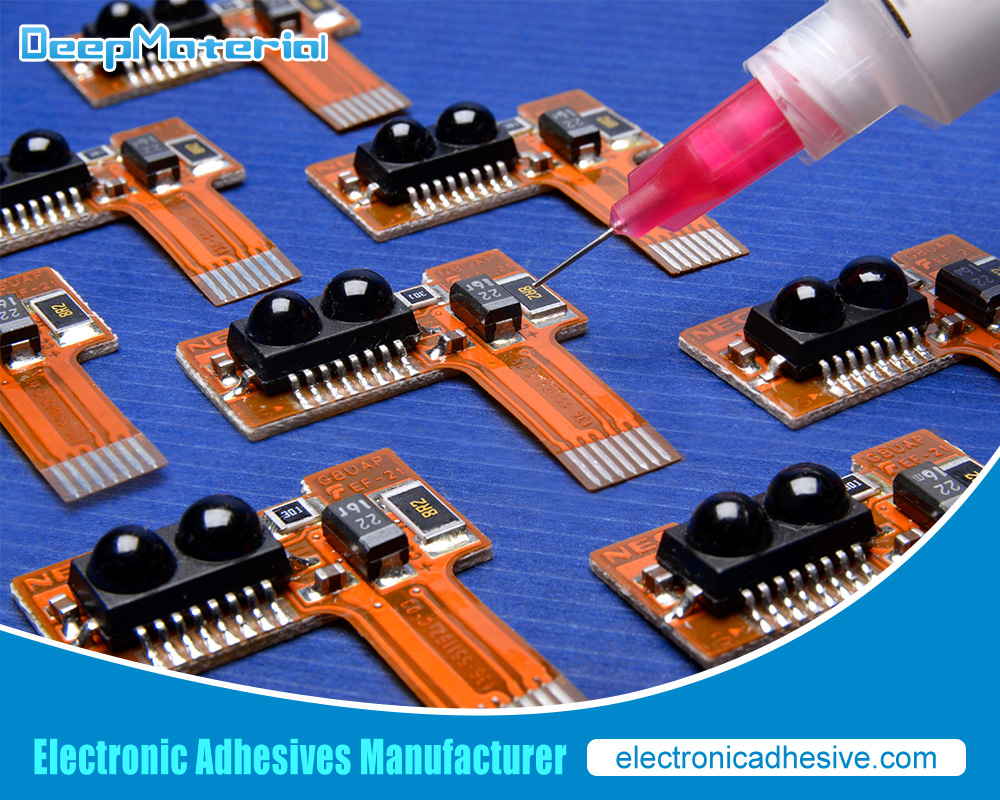
- Electronics: Encapsulating high-temperature circuits or sensors, leveraging non-conductive, fire-resistant properties.
- Transportation: Bonding interior panels or insulation in trains, ships, or aircraft, ensuring low smoke and flame spread for passenger safety.
Regular Glue Applications:
- Woodworking: Assembling furniture, cabinets, or wooden crafts using PVA or polyurethane glues for strong, durable bonds.
- Home Repairs: Fixing broken ceramics, plastics, or metal items with epoxy or cyanoacrylate (super glue) for quick, reliable adhesion.
- Crafts and DIY: Bonding paper, fabric, or lightweight materials in art projects or home decor using white glue or hot melt adhesives.
- General Construction: Installing non-fire-rated flooring, trim, or wall panels in residential settings where fire safety standards are less stringent.
- Packaging and Assembly: Sealing cartons or assembling lightweight products in manufacturing, where cost and ease of use are priorities.
While regular glue is versatile and cost-effective for non-critical applications, fireproof glue is indispensable in environments where fire safety is regulated or high temperatures are expected.
Advantages and Limitations
Fireproof Glue:
Advantages:
- Enhanced Safety: Meets ASTM E84 Class A or EN 13501-1 A1/A2 standards, minimizing flame spread, smoke, and toxic emissions.
- High Temperature Resistance: Withstands extreme heat (300–2,000°C), ideal for industrial and aerospace applications.
- Regulatory Compliance: Ensures adherence to building codes like the International Building Code (IBC) or Construction Products Regulation (CPR).
- Durability: Resists thermal cycling, chemicals, and environmental degradation.
Limitations:
- Cost: More expensive due to specialized formulations and testing.
- Brittleness: Inorganic-based glues may lack flexibility, limiting use on dynamic substrates.
- Application Complexity: Requires precise surface preparation and curing conditions.
- Limited General Use: Over-engineered for non-fire-critical tasks.
Regular Glue:
Advantages:
- Cost-Effective: Affordable and widely available for everyday projects.
- Versatility: Bonds a wide range of substrates, from wood to plastic, with ease.
- Ease of Use: Fast curing times and simple application methods (e.g., brush, squeeze bottle).
- Variety: Available in multiple forms (e.g., liquid, hot melt, spray) for diverse needs.
Limitations:
- Poor Fire Resistance: Combusts at low temperatures, contributing to fire spread and smoke.
- Limited Durability: Degrades under heat, moisture, or UV exposure in demanding conditions.
- Non-Compliant for Fire Safety: Unsuitable for applications requiring ASTM E84 or EN 13501-1 compliance.
- Toxic Fumes: Organic components may release harmful fumes in fire scenarios.
Choosing Between Fireproof and Regular Glue
Selecting between fireproof and regular glue depends on the project’s requirements:
1.Fire Safety Needs:
- Choose fireproof glue for applications in fire-rated environments (e.g., commercial buildings, transportation) where compliance with ASTM E84 or EN 13501-1 is mandatory.
- Use regular glue for non-fire-critical tasks like furniture assembly or crafts.
2. Temperature Exposure:
- Fireproof glue is essential for high-temperature settings (e.g., furnaces, engines) where regular glue would fail.
- Regular glue suffices for room-temperature or low-heat applications.
3. Substrate Compatibility:
- Ensure the glue bonds effectively to the materials involved. Fireproof glues excel with ceramics, metals, and fire-rated panels, while regular glues are better for wood, paper, or plastics.
4. Budget Constraints:
- Regular glue is more cost-effective for budget-conscious projects with no fire safety requirements.
- Fireproof glue, though pricier, is a worthwhile investment for safety-critical applications.
5. Application Conditions:
- Fireproof glues may require specific curing conditions (e.g., heat curing for silicate-based glues), while regular glues often cure quickly at room temperature.
6. Regulatory Compliance:
- Verify that fireproof glues meet local fire codes (e.g., IBC, CPR) with certifications like CE marking or Declarations of Performance (DoP).
- For high-risk environments, fireproof glue is the clear choice, while regular glue is ideal for general-purpose bonding where safety standards are not a concern.
Leading Manufacturers and Products
Fireproof Glue Manufacturers:
- 3M: Offers Fire Barrier Sealant CP 25WB+, an intumescent sealant with ASTM E84 Class A and EN 13501-1 B-s1,d0 ratings, ideal for construction joints.
- Henkel (Loctite): Produces Teroson MS 939 FR, a flexible, fire-resistant MS polymer adhesive for construction and automotive use.
- H.B. Fuller: Their FulaFlex FR™ sealant achieves A2-s1,d0 ratings, perfect for fire-rated walls.
- KASTAR: Offers KASTAR 978 Fire Resistant MS Polymer Sealant, a cost-effective solution for construction.
Regular Glue Manufacturers:
- Gorilla Glue: Known for Gorilla Wood Glue (PVA-based) and Gorilla Super Glue, ideal for woodworking and quick repairs.
- Elmer’s: Produces Elmer’s Glue-All, a versatile PVA glue for crafts and home projects.
- Loctite: Offers Loctite Epoxy, a strong, durable adhesive for metal and plastic bonding.
These manufacturers provide reliable options for both fireproof and regular glue applications.
Future Trends in Adhesive Technology
- Fireproof Glue: Innovations include nanotechnology (e.g., graphene for enhanced fire resistance), sustainable low-VOC formulations, and smart adhesives with sensors to monitor fire exposure.
- Regular Glue: Advances focus on eco-friendly, bio-based glues, faster curing times, and improved flexibility for dynamic substrates.
These trends promise safer, more sustainable adhesives for diverse applications.
Conclusion
Fireproof glue and regular glue serve distinct purposes, with fireproof glue excelling in safety-critical environments due to its high temperature resistance, low flame spread, and compliance with ASTM E84 and EN 13501-1 standards. Regular glue, while cost-effective and versatile, is better suited for general-purpose bonding where fire safety is not a concern. By understanding their properties, applications, and limitations, users can choose the right adhesive for their needs, balancing safety, performance, and cost. As adhesive technology advances, both fireproof and regular glues will continue to evolve, offering innovative solutions for construction, manufacturing, and DIY projects.
For more about choosing the best fireproof glue vs. regular glue, you can pay a visit to DeepMaterial at https://www.electronicadhesive.com/ for more info.