Silicone-Based Fireproof Glue Excels in Both Fire Resistance and Adhesion
Silicone-Based Fireproof Glue Excels in Both Fire Resistance and Adhesion
In the realm of advanced materials, silicone-based fireproof glue stands out as a remarkable innovation, seamlessly blending exceptional fire resistance with superior adhesion properties. This adhesive, often formulated as a sealant or bonding agent, is engineered to withstand intense heat while maintaining strong, durable bonds across a variety of substrates. As industries increasingly prioritize safety and reliability, particularly in fire-prone environments, the demand for such versatile materials has surged. Silicone-based fireproof glue not only prevents flame propagation but also ensures that bonded structures remain intact under thermal stress, making it indispensable in construction, aerospace, automotive, and electronics sectors.
At its core, this glue leverages the inherent stability of silicone polymers, enhanced by flame-retardant additives, to achieve its dual excellence. Fire resistance is quantified through standards like UL 94, where the material self-extinguishes and resists dripping, while adhesion is measured by shear strength and compatibility with diverse surfaces. Unlike traditional adhesives that may combust or lose grip at high temperatures, silicone variants maintain elasticity and bonding integrity, often up to 2000°F (1093°C). This combination reduces risks in critical applications, such as sealing fire-rated joints or bonding heat shields, where failure could lead to catastrophic outcomes.
The evolution of silicone-based fireproof glue reflects ongoing advancements in polymer chemistry. Early adhesives focused primarily on adhesion, but modern formulations incorporate intumescent or char-forming agents to enhance fire performance without compromising stickiness. For instance, in plywood manufacturing, replacing polyurethane with silicone adhesives has dramatically improved flame retardancy while preserving adequate bonding strength. This article explores the composition, key properties—emphasizing fire resistance and adhesion—applications, advantages, limitations, comparisons, and future trends of silicone-based fireproof glue. Through this lens, we uncover how it excels in safeguarding lives and assets in an increasingly hazardous world.
Composition and Manufacturing
The foundation of silicone-based fireproof glue lies in its sophisticated composition, primarily consisting of polydimethylsiloxane (PDMS) or similar silicone polymers. These are derived from silica, providing a robust silicon-oxygen backbone that resists thermal degradation.
To impart fire resistance, manufacturers integrate flame-retardant fillers such as alumina trihydrate (ATH), magnesium hydroxide, or vinyl-silane treated aluminum hydroxide (VSATH). These additives release water vapor upon heating, cooling the surface and diluting flammable gases, thereby interrupting the combustion cycle.
Cross-linking agents, often platinum-catalyzed for hydrosilation curing, enable the glue to solidify into an elastic matrix. Additional components include stabilizers for UV resistance, fillers like mica for thermal insulation, and adhesion promoters to enhance bonding on challenging surfaces. In some formulations, such as those for plywood, the adhesive is a two-component system where the base elastomer is mixed with up to 65% VSATH by mass.
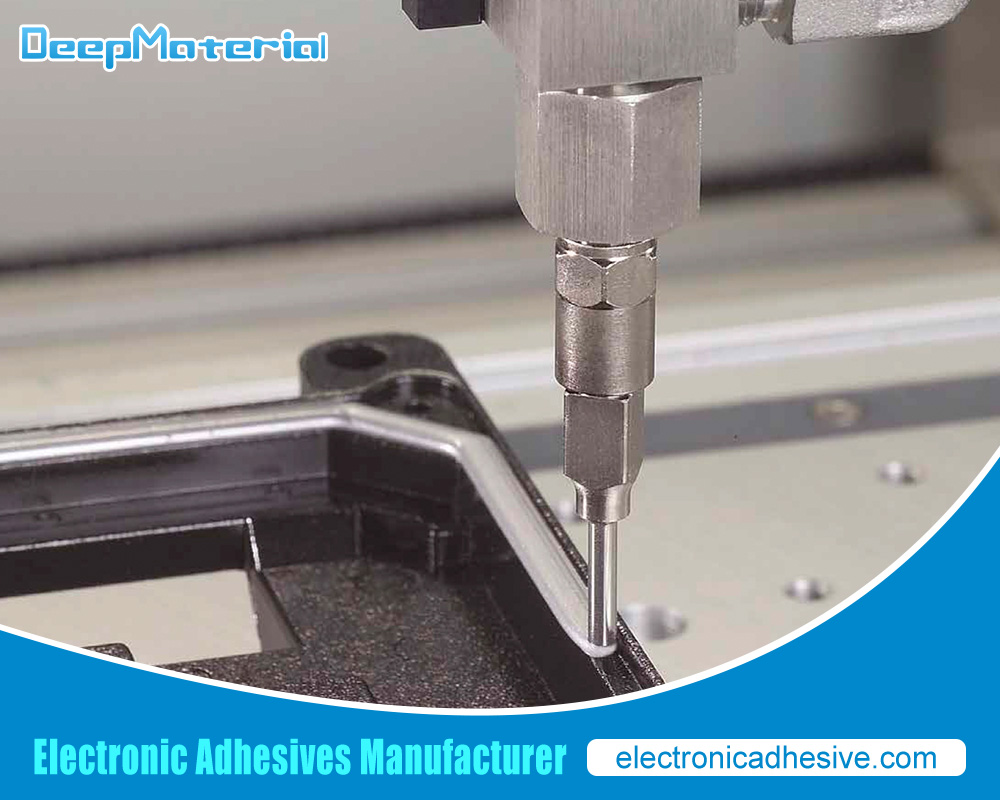
Manufacturing involves precise mixing in controlled environments to ensure homogeneity. The process starts with polymer synthesis via hydrolysis and condensation of silanes, followed by incorporation of retardants and curing agents. One-part systems cure through atmospheric moisture (RTV – room temperature vulcanization), releasing neutral byproducts like alcohols to avoid corrosion. Two-part variants mix a base and catalyst for rapid setting. Quality control includes rigorous testing for fire ratings (e.g., up to 4 hours of resistance) and adhesion strength, ensuring compliance with standards like ASTM E84 or EN 13501.
Intumescent versions expand upon heat exposure, forming a protective char layer that further boosts fire resistance. This composition not only fortifies the glue against flames but also optimizes adhesion by promoting surface wetting and chemical bonding, setting the stage for its standout performance.
Fire Resistance Properties
Silicone-based fireproof glue’s excellence in fire resistance is rooted in its ability to endure extreme temperatures without igniting or propagating flames. Capable of withstanding 300°F to over 2000°F, it maintains structural integrity where other adhesives fail. Key mechanisms include endothermic decomposition of fillers like ATH, which absorbs heat and releases non-flammable gases, and char formation that acts as a thermal barrier.
In testing, such as cone calorimetry and lateral ignition flame spread (LIFT), silicone adhesives exhibit low heat release rates and minimal flame spread. For example, in plywood applications, silicone-based glues reduce heat release by forming inorganic protective layers that suppress smoldering and glowing. Products like Akfix 140F achieve fire retardancy while remaining elastic, absorbing up to 25% movement without compromising the seal.
Moreover, these glues are non-flammable and self-extinguishing, meeting UL 94 V-0 ratings. In fire-rated assemblies, they can withstand flames for up to 120 minutes, as seen in WEICON’s SMP-based variants. Hybrid reinforcements, like glass fabric in silicone composites, enhance barrier efficiency, preventing crack formation and further lowering heat transfer. This property is crucial in containing fires, providing valuable time for evacuation and minimizing damage.
Low smoke and toxicity profiles add to its appeal; unlike halogenated retardants, silicone systems produce minimal harmful byproducts. Overall, the fire resistance of silicone-based glue not only protects bonded materials but also integrates seamlessly with its adhesion capabilities, ensuring holistic performance.
Adhesion Properties
Equally impressive is the adhesion prowess of silicone-based fireproof glue, which forms robust, long-lasting bonds on diverse substrates. Its flexibility allows it to accommodate thermal expansion and mechanical stress, with elongation up to 25% without failure. Shear strength, a key metric, reaches 0.92 MPa in plywood applications, sufficient for structural integrity despite being lower than some rigid alternatives.
The glue excels in wet adhesion, resisting water immersion with only a 30% strength reduction after hot-water exposure, far better than polyurethane’s 62% drop. This is due to its hydrophobic nature and chemical bonding via silane promoters, ensuring compatibility with metals, glass, ceramics, plastics, and even fire-resistant fabrics.
In high-temperature scenarios, adhesion remains stable, preventing delamination under heat. For instance, in electronics, it secures components against thermal shocks while providing electrical insulation. Surface preparation enhances performance; clean, dry substrates yield optimal results, though some formulations bond without primers.
Flame retardants, while added for fire safety, are selected to minimize impact on adhesion. High loadings can affect mechanical properties, but silicone-compatible retardants like PDMS ensure good dispersion and maintain toughness. This balance allows the glue to excel in both adhesion and fire resistance, making it ideal for demanding environments.
Applications Across Industries
The versatility of silicone-based fireproof glue is evident in its broad applications. In construction, it seals fire-rated joints, bonds insulation panels, and enhances fire doors, preventing smoke and flame penetration. Products like Adhesive Guru AG510 provide up to 4 hours of fire resistance in building assemblies.
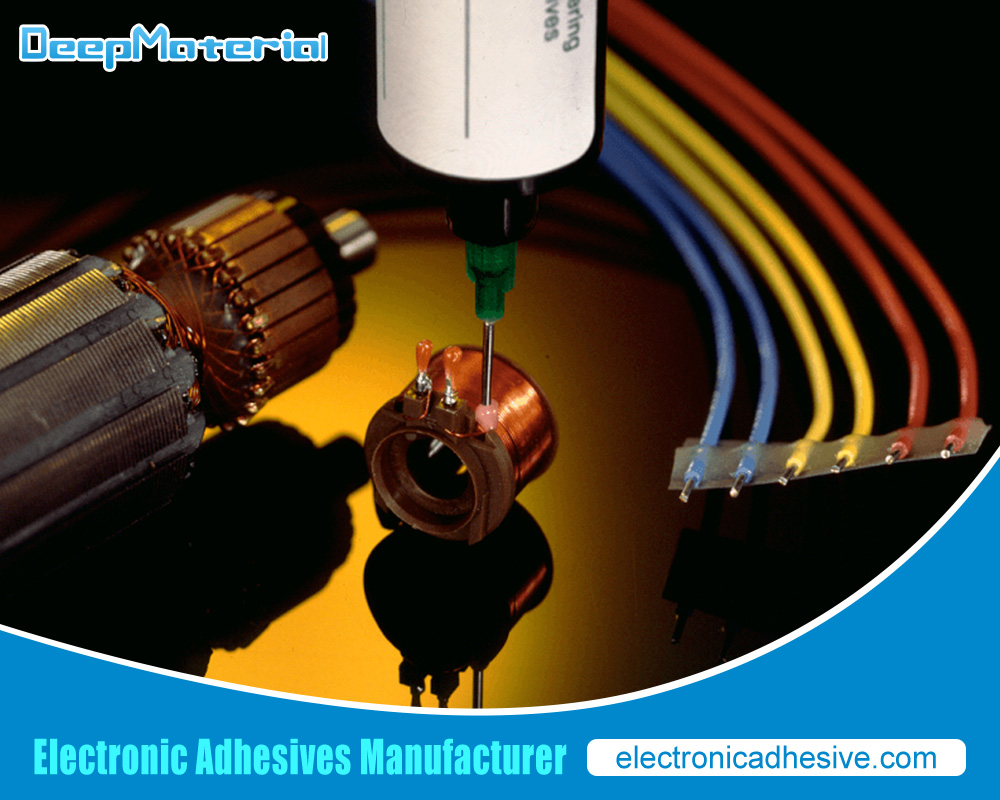
In automotive, it assembles engine gaskets and heat shields, withstanding exhaust temperatures while maintaining seals. Aerospace applications include bonding thermal insulation and engine components, ensuring safety in flight. Electronics benefit from its use in potting heat-generating parts, combining adhesion with insulation.
In plywood and wood products, it replaces traditional adhesives to impart flame retardancy without altering appearance. Industrial uses extend to sealing furnaces and ovens, where high-temp variants like those from Passive Fire Products excel. Fireproofing textiles and protective gear also leverage its properties for enhanced safety.
Advantages and Limitations
Advantages include unparalleled heat resistance, strong multi-substrate adhesion, flexibility, and low VOC emissions. It reduces maintenance costs through durability and environmental resistance. Limitations encompass higher initial costs, longer curing times, and potential odor during application. Color options are limited, and high retardant levels may slightly impact mechanical properties.
Comparisons with Other Adhesives
Compared to polyurethane, silicone offers better fire resistance and water tolerance but lower shear strength. Epoxies provide rigid bonds but lack flexibility and heat endurance. Acrylics are versatile but falter in extreme fires. Silicone’s char-forming mechanism gives it an edge in safety-critical uses.
Future Trends
Emerging trends involve nanotechnology for enhanced properties, bio-based silicones for sustainability, and smart adhesives with self-healing capabilities. Customization for EVs and renewables will drive innovation.
Conclusion
Silicone-based fireproof glue truly excels in fire resistance and adhesion, offering a reliable solution for modern challenges. Its properties ensure safety and longevity, positioning it as a key player in future material advancements.
For more about silicone-based fireproof glue excels in both fire resistance and adhesion, you can pay a visit to DeepMaterial at https://www.electronicadhesive.com/ for more info.